
Argentina
Productive farmland and vineyards in your own name, a real-asset hedge far from the world's trouble spots.
Sources for these facts
- Naturalisation: argentina.gob.ar, checked on 24 October 2026.
- Presence required: argentina.gob.ar, checked on 24 October 2026.
- CRS status: oecd.org, checked on 24 October 2026.
- Tax system: taxsummaries.pwc.com, checked on 24 October 2026.
Why Argentina?
A strong Plan A for people who actually move there: land and vineyards in your own name, quality of life and distance. As a pure Plan B residence, it does not work. An honest assessment.
Argentina is a strong Plan A: a country to live in, not a place to park a residence. Unlike much of Asia or Africa, you buy land 100% in your own name: a vineyard near Mendoza, olive groves or fertile farmland, real substance in one of the cheapest agricultural markets in the world. Add a high quality of life and geopolitical distance. To be clear, though: as a pure Plan B residence Argentina does not work, because temporary residence lapses after six months of continuous absence and permanent residence after one year. If you really move there, it is an excellent choice. If you only want a quiet backup, Paraguay or Panama is the better fit.
- ✓Farmland, vineyards and estancias 100% in your own name, as a real-asset hedge
- ✓High quality of life: more than 300 days of sunshine, world-class food and wine, a European-influenced culture
- ✓Maximum geopolitical distance from the flashpoints of the northern hemisphere
- ✓Citizenship by investment has been announced but is not taking applications: it is meant to offer a second passport without a presence requirement and without tax residence
- ✓Not suitable as a Plan B: residency requires real presence, so it is not a park-and-forget residence
Residence permits and residency options
Proof of passive foreign income or a pension: both programmes (rentista and pensionado) require at least five times the Argentine minimum wage (SMVM) per month, roughly USD 1,800 in 2026; the SMVM is adjusted several times a year. Temporary residence, the straightforward standard entry.
Through a qualifying investment, for example in a business, a vineyard or farmland. Your capital goes into a real asset, not into fees.
Argentina is Plan A, not Plan B. Temporary residence lapses if you are out of the country for six months or more in one stretch, permanent residence after one year (Ley 25.871, Article 62). So it is not a low-presence, park-and-forget backup like Paraguay. If you do live here, you can still stay outside the tax net: a continuous absence of more than 90 days a year resets the count towards tax residence to zero. Citizenship by investment has been announced but is not taking applications yet; naturalisation demands continuous presence and therefore tax residence.
Tax in Argentina
The decisive point for wealthy clients: Argentina is strong as a real-asset and distance location, but it is not a place where you want to become tax resident. As a foreigner you only become tax resident after 12 months in the country, and a single continuous absence of more than 90 days resets that 12-month count to zero. If you live in the country for at most around eight months a year and leave at least once for more than 90 days in a row, you remain a tax non-resident and pay tax only on Argentine-source income.
That matters, because a full tax resident is taxed not only on worldwide income (progressive up to 35%) but also under the wealth tax Bienes Personales on worldwide assets. The usual model is therefore clear: secure residency and land ownership, and keep your days deliberately below the line. That is exactly the structure we build with you.
Citizenship: the route to a second passport
The Argentine passport is strong (around 170 countries visa-free, including Schengen, plus Mercosur freedom of movement), but the route to it decides everything. By investment it does not exist yet: citizenship by investment (framework in Decreto 524/2025) has been announced but is not taking applications. According to the government's announcement of 2 October 2026 it is due to start in the fourth quarter of 2026, with USD 350,000 as a non-refundable contribution to the state budget or USD 800,000 in a government bond, USD 500,000 together for a family of four. The promise is a passport without a continuous presence requirement and without automatic tax residence; it can only be booked once the authority actually accepts applications. The catch: it rests on DNU 366/2025, which the Cámara Nacional Electoral declared void in an individual case on 30 June 2026; the Supreme Court has the last word.
By naturalisation, on the other hand, it is a trap for tax-sensitive clients. In theory it is fast, after only 2 years of legal residence, counted from your first temporary residence. But under the version of DNU 366/2025 that the migration authority applies, those two years may not contain a single trip abroad. A court declared the DNU void in an individual case in June 2026 and the matter is before the Supreme Court; you should plan with the strict version. That continuous presence is exactly what makes you tax resident, and therefore fully taxable on worldwide income plus Bienes Personales. Naturalisation only makes sense if you live here permanently anyway (Plan A). Dual citizenship is recognised.
Our Argentina insider tip: Mendoza
Mendoza is the anchor among the vineyards: comfortable flats often from USD 550 to 750 a month, more than 300 days of sunshine a year, the snow-capped Andes on the horizon and one of the world's great wine regions on your doorstep. Here you buy real substance, from your own vineyard to olive groves, in one of the cheapest agricultural markets in the world. Buenos Aires offers full capital-city infrastructure, banking and a European big-city feel; Bariloche the lakes and mountains of Patagonia; Córdoba a young university city in the centre. For a place to actually move to, what counts is real assets such as farmland and vineyards, a pleasant climate and low fixed costs.
Banking outside Argentina
Your banking and your operating company belong outside Argentina. The country is a CRS participant, has a volatile history of currency and capital controls, and taxes residents on worldwide wealth. You open local peso and USD accounts on the ground once your residency is granted, for daily life and the land purchase. We build the international structure and the deliberate management of your tax residence for you.
Flag theory: why bank outside the country?
Because the country is a CRS participant and you do not want to create local economic substance or a permanent establishment, banking and your operating company belong outside Latin America. We structure this for you. More about our services →
Who is Argentina right for, and who not?
✓ A good fit for
- ✓Anyone who wants to buy farmland, vineyards or other real assets 100% in their own name
- ✓Anyone looking for a real-asset hedge and maximum distance from the world's flashpoints
- ✓Anyone who actually moves there (centre of life, wine, lifestyle), not just looking for a backup
✗ Less suited to
- ✗Anyone who wants to optimise as a tax resident (residents: worldwide income up to 35% plus the Bienes Personales wealth tax)
- ✗Anyone who wants the 2-year passport on the standard route but cannot be present continuously (the announced investment route is not taking applications)
- ✗Anyone looking for a low-presence Plan B backup (then Paraguay or Panama)
- ✗Anyone who needs currency and capital-flow stability
Frequently asked questions about Argentina
Why Argentina if taxes for residents are high?
Because you do not need to become tax resident at all. You keep your residency by never being away for six months in a row, and you include at least one stay abroad of more than 90 consecutive days, which resets the tax residence count. Then there is the real core: affordable farmland and vineyards in your own name plus geopolitical distance.
Do I automatically become taxable in Argentina?
No, only after 12 months in the country. A single absence of more than 90 consecutive days resets that count. As a resident you are then taxed on worldwide income plus the Bienes Personales wealth tax on your worldwide assets.
Can a foreigner really buy land in their own name?
Yes. In Argentina you acquire land, vineyards and farmland 100% in your own name, unlike in many parts of Asia or Africa.
Is the fast passport worth it for me?
That depends on your profile. If you live in the country most of the time anyway, the 2-year route can work. If you are mobile and tax-sensitive, wait for the announced citizenship by investment; it is not taking applications yet and is meant to offer the passport without continuous presence.
Does Argentina allow dual citizenship?
Yes, without renouncing your existing nationality.
Next steps
More on Argentina
Is Argentina right for you?
Start with a free assessment: we look at your situation and tell you honestly whether this country fits you.
Explore other countries
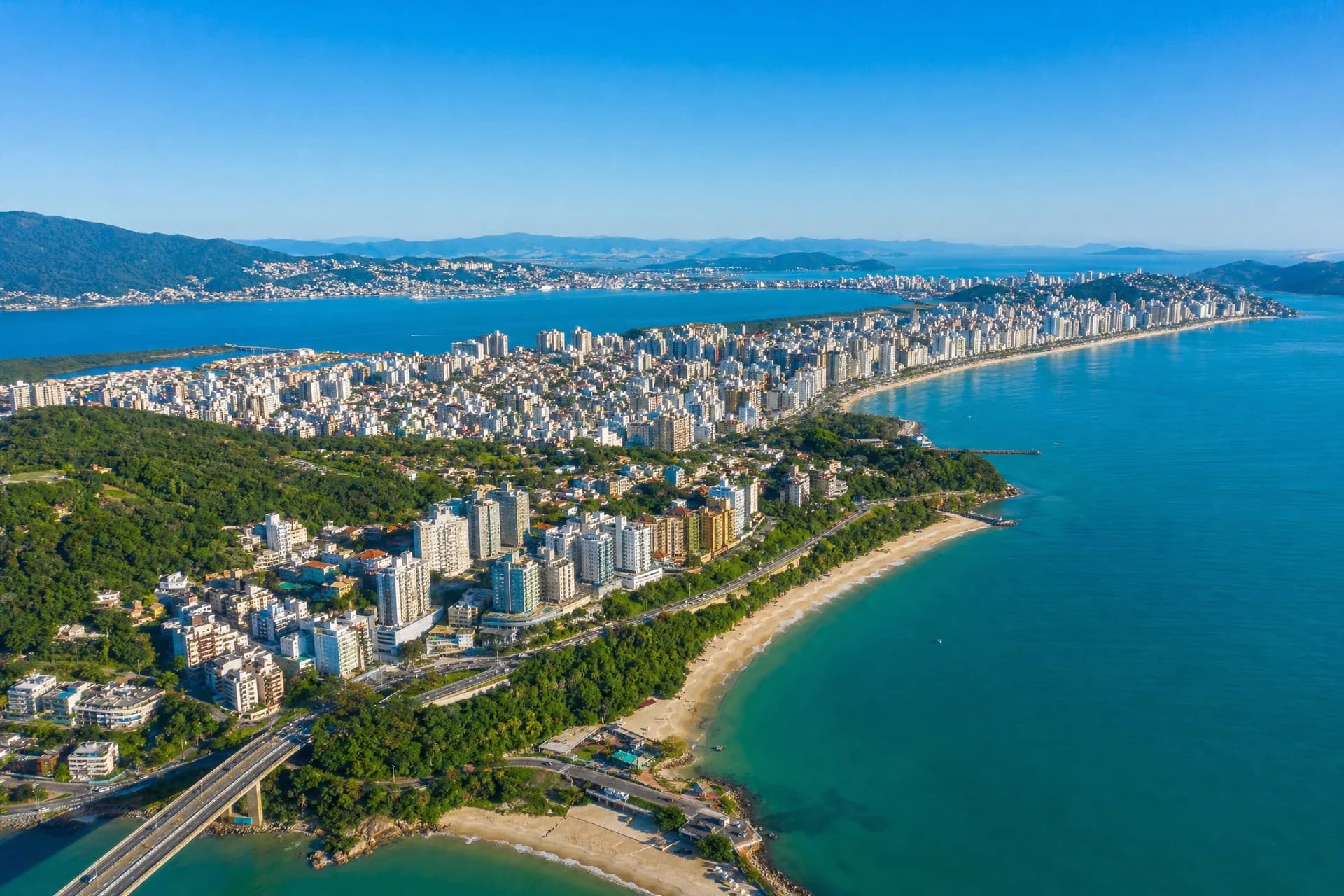
A strong Global South passport, reached in around six years on the standard route.
✓ Strong Global South passport
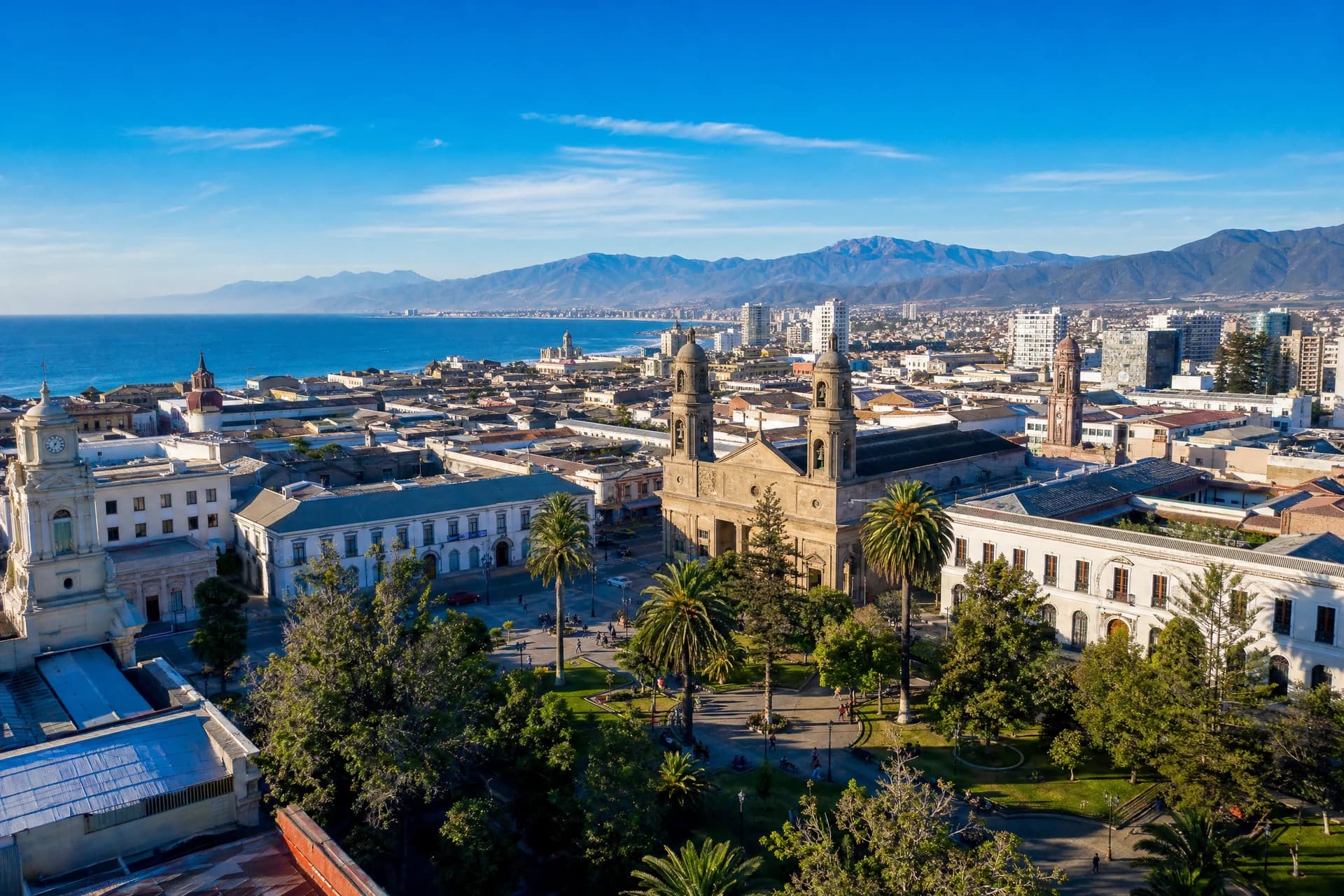
Latin America's economic anchor, with the highest legal certainty in the region.
✓ Strongest passport (US ESTA) + foreign income tax-free for up to 6 years
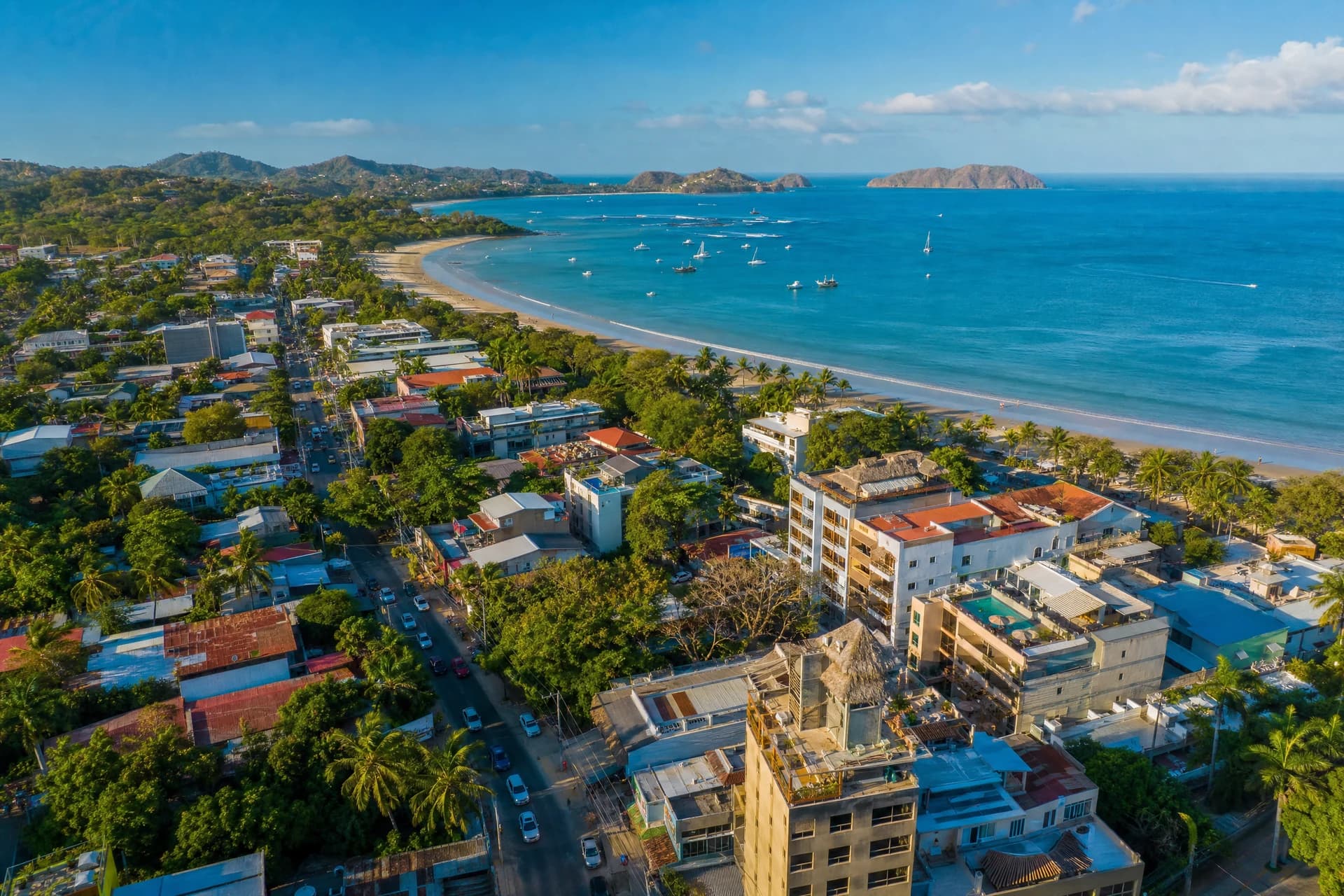
Pura vida with a genuine territorial tax system: your foreign income stays tax-free. An honest assessment.
Bill Expediente 25.796 (introduced on 22 September 2026, not yet law) would tax foreign interest, dividends, rent and capital gains of tax residents at 15%.
✓ Territorial + stability + no army since 1948