El Salvador
The underrated retreat for freedom-minded people, with growing international appeal.
Sources for these facts
- Naturalisation: jurisprudencia.gob.sv, checked on 24 October 2026.
- Presence required: asamblea.gob.sv, checked on 24 October 2026.
- CRS status: oecd.org, checked on 24 October 2026.
- Tax system: taxsummaries.pwc.com, checked on 24 October 2026.
Why El Salvador?
The underrated retreat for freedom-minded people, with growing international appeal.
The underrated retreat for freedom-minded people: a territorial tax system, no automatic exchange of account data and a remarkable security turnaround, plus a statutory investor route to a passport with no minimum residence, whose programme terms have not yet been officially published.
- ✓Non-CRS and non-CARF: no automatic exchange of information on financial accounts
- ✓Territorial tax system: foreign-source income generally untaxed (details in the tax section)
- ✓A crypto-friendly jurisdiction with state Bitcoin reserves and a clearer regulatory framework
- ✓US dollar as legal tender since 2001, no currency risk
- ✓A statutory investor route to a passport with no minimum residence (Freedom Visa; terms not yet officially published)
Residence permits and residency options
Residence based on proven passive foreign income. A straightforward entry for retirees, investors and location-independent entrepreneurs.
Residence through a qualifying investment in a business or property. A direct route to residency with the prospect of regular naturalisation.
Since December 2023 the migration law has allowed participants in state programmes for investors or donors to naturalise with no minimum residence (Article 156 No. 5); programme participants receive definitive residence directly and with no absence limit (Article 152 No. 13). The amount, quota and procedure of the programme are currently not officially published; the programme page only announces it. And the route is not constitutionally secure, because Article 92 of the Constitution names no investor route. We check the current status before any consultation.
Honestly assessed: since Decreto 531 (in force since 31 March 2026), temporary residence requires at least 90 days a year in El Salvador, otherwise it may be annulled. Stricter rules apply to rentistas and pensionados: they lose their status if they spend more than six months abroad in a calendar year (Article 148). Definitive residence (for rentistas and pensionados after 1 year, otherwise after 3) is easier to keep: absences of up to two years are allowed. Only participants in the state investor programme (Freedom Visa) are exempt from the absence limit (Article 152 No. 13); anyone naturalised through it needs no annual presence at all, but citizenship can be lost after more than 2 years in the country of origin or 5 years of continuous absence (Art. 279). For residency, El Salvador is therefore Plan A, not a low-presence backup.
Tax in El Salvador
El Salvador follows the territorial principle: in principle, income from Salvadoran sources is taxed. Foreign-source income is generally left out, which is the core of why the country interests internationally active entrepreneurs and investors. Important and honestly assessed: the territorial principle is not a blanket exemption. Residents are, in principle, assessed on worldwide income; the tax exemption for foreign income results from the source rules and targeted exemptions (including Decreto 969 for certain foreign asset and capital income). Whether your specific income counts as foreign-source and stays tax-free depends on the structure, and that is exactly where our advice comes in.
Bitcoin and crypto: the 2026 reality (not the myth)
In 2021 El Salvador became the first country to make Bitcoin legal tender. The headline persists, but it is out of date. As part of a USD 1.4 billion IMF agreement, El Salvador withdrew Bitcoin's legal tender status in early 2025: acceptance has been voluntary since then, taxes can no longer be paid in Bitcoin, and the term currency was removed from the law.
What this does not mean is the end of the crypto location. Bitcoin remains legal to hold and use, the state keeps building its Bitcoin reserves, and with Tether's arrival El Salvador is in practice more crypto-friendly than ever, just on a cleaner regulatory footing. For crypto-minded entrepreneurs that is more an advantage than a drawback: less symbolism, a more robust framework. We give you the current state of play, not the 2021 marketing version.
Citizenship: the route to a second passport
Regular route: naturalisation after 5 years of residence, temporary and definitive added together (Constitution Article 92, Migration Law Article 156); when you apply you need definitive residence and confirmation from your consulate that your country of origin allows dual nationality. For nationals of Spain and Spanish-American countries: 1 year of definitive residence. In addition, since 2023 the migration law has allowed naturalisation through state investor or donor programmes with no minimum residence (Freedom Visa); the amount and procedure of the programme are currently not officially published. Dual citizenship is permitted. The Salvadoran passport offers visa-free or visa-on-arrival access to around 130 countries, including the Schengen area.
Our El Salvador insider tip: Santa Ana
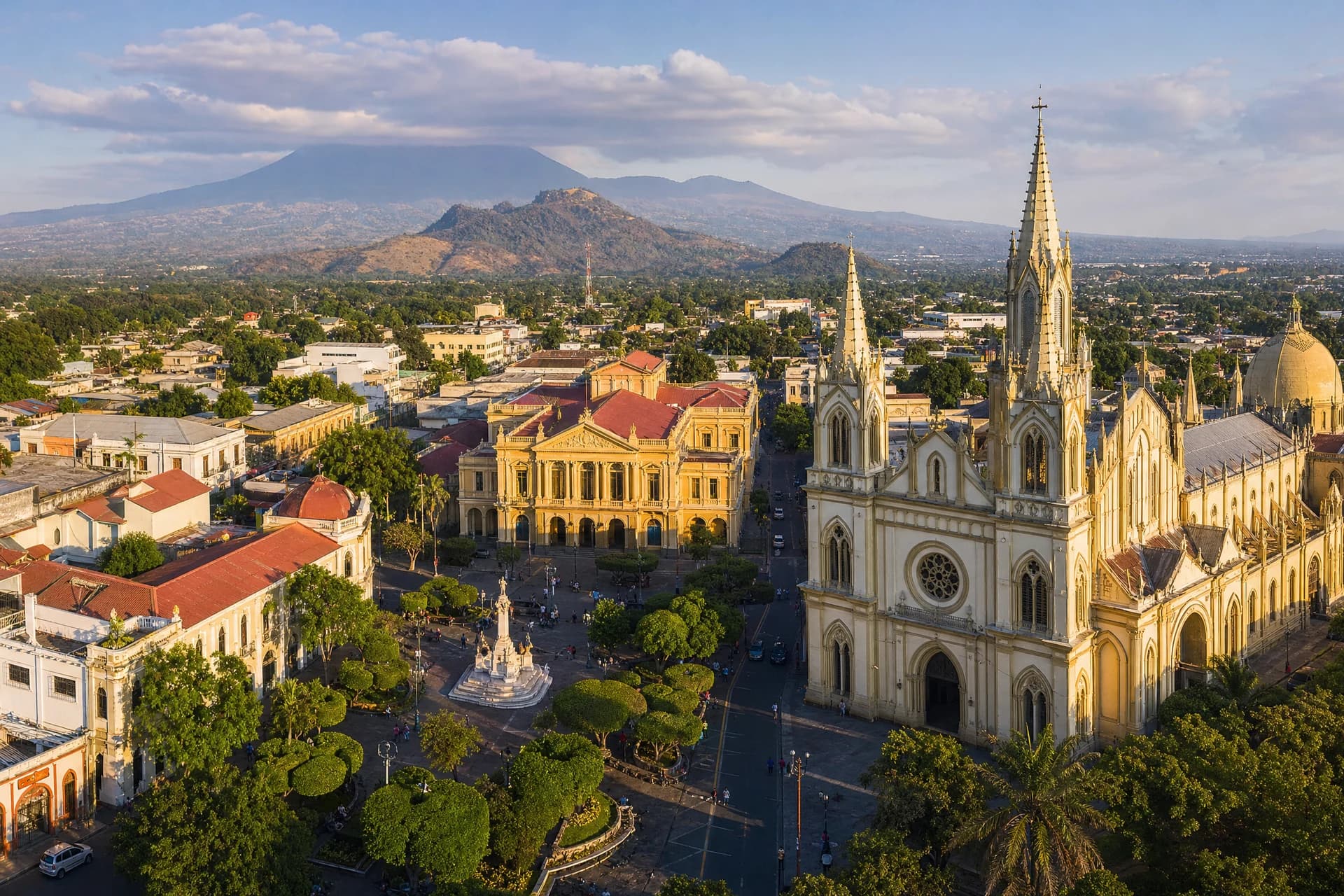
Santa Ana is the insider tip for cultivated highland life away from mass tourism: the country's second city and one of its architectural gems, with the splendid Teatro de Santa Ana, a neo-Gothic cathedral, elegant squares and a mild climate at around 650 m. All around lie the Ilamatepec volcano, the crater lake of Coatepeque and the region's coffee farms. Comfortable flats start at USD 750 to 1,200 a month, and San Salvador's international airport is about an hour away. San Salvador offers full capital-city infrastructure, banking and connections; El Tunco and El Zonte draw surfers and the Bitcoin community to the Pacific coast; Suchitoto charms as a colonial artists' town by the lake. For a retreat, what counts in the end is low costs, a mild climate and closeness to volcanoes, lakes and coffee highlands.
Banking outside El Salvador
Banking and your operating company belong outside El Salvador. The country is non-CRS and non-CARF. For your income to stay foreign-source and the territorial exemption to apply, banking and company formation must take place outside Latin America. We build this structure for you.
Flag theory: why bank outside the country?
For your foreign income to stay genuinely foreign-source and the territorial exemption to apply, banking and company formation have to take place outside Latin America. We structure this for you. More about our services →
Who is El Salvador right for, and who not?
✓ A good fit for
- ✓Anyone who wants to combine non-CRS with a territorial tax system and actually live there (or naturalise through the investor programme)
- ✓Crypto-minded entrepreneurs and Bitcoin holders
- ✓Anyone who wants to examine the statutory investor route to a passport once its terms are officially published
- ✓Anyone looking for US dollar stability without currency risk
✗ Less suited to
- ✗Anyone looking for a low-presence parked residence: regular residence requires 90 days a year of presence (then rather Panama or Paraguay)
- ✗Anyone who sees long-established institutions and maximum political stability as a precondition (the turnaround is young)
- ✗Anyone looking for a predictable passport by investment (the terms of the investor route are not officially published)
Frequently asked questions about El Salvador
Is Bitcoin still legal tender in El Salvador?
No. In early 2025 its legal tender status was withdrawn as part of an IMF agreement. Bitcoin remains legal to use and the state still holds reserves, but acceptance is voluntary and taxes cannot be paid in Bitcoin.
Is foreign income really tax-free in El Salvador?
Under the territorial principle El Salvador primarily taxes domestic-source income. Whether your foreign income stays tax-free depends on its source and structure; we clarify that individually in a consultation.
How quickly can I get a Salvadoran passport?
On the regular route after 5 years of residence, temporary and definitive added together (1 year of definitive residence for Spaniards and Spanish Americans). The law also provides an investor route with no minimum residence (Freedom Visa), whose amount and procedure are currently not officially published.
How much time do I have to spend there?
Since Decreto 531 (in force since 31 March 2026), temporary residence requires at least 90 days a year in El Salvador, otherwise it may be annulled; rentistas and pensionados may be away for at most six months in a calendar year. Definitive residence tolerates absences of up to two years. Only those naturalised through the state investor programme (Freedom Visa), whose terms are not yet officially published, need no annual presence; they can then lose citizenship after more than 2 years in the country of origin or 5 years of continuous absence (Art. 279).
Does El Salvador exchange account data automatically?
No. El Salvador is non-CRS and non-CARF; there is no automatic exchange of information on financial accounts.
Next steps
Is El Salvador right for you?
Start with a free assessment: we look at your situation and tell you honestly whether this country fits you.
Explore other countries
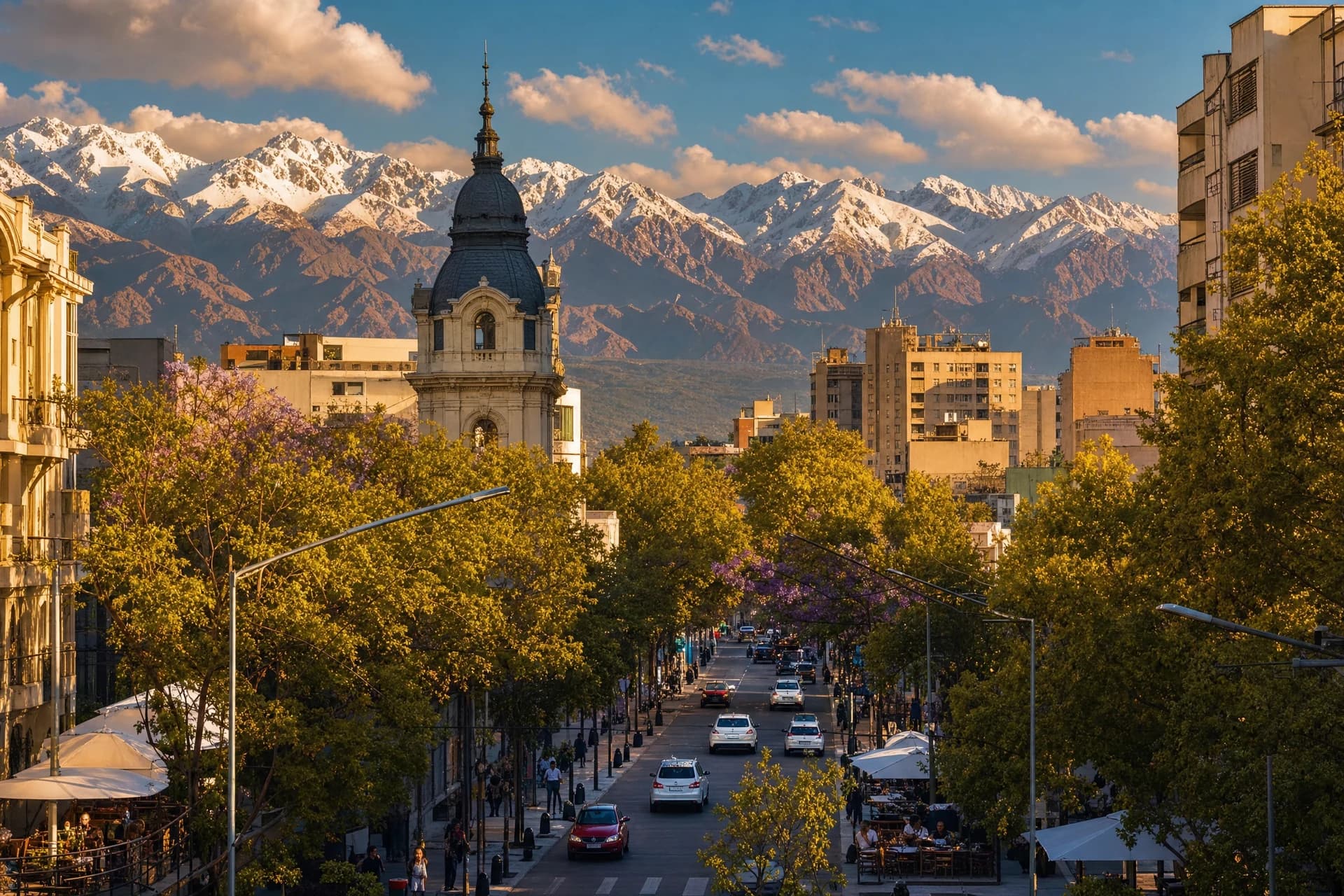
Productive farmland and vineyards in your own name, a real-asset hedge far from the world's trouble spots.
✓ Farmland + real assets + optional 2-year passport
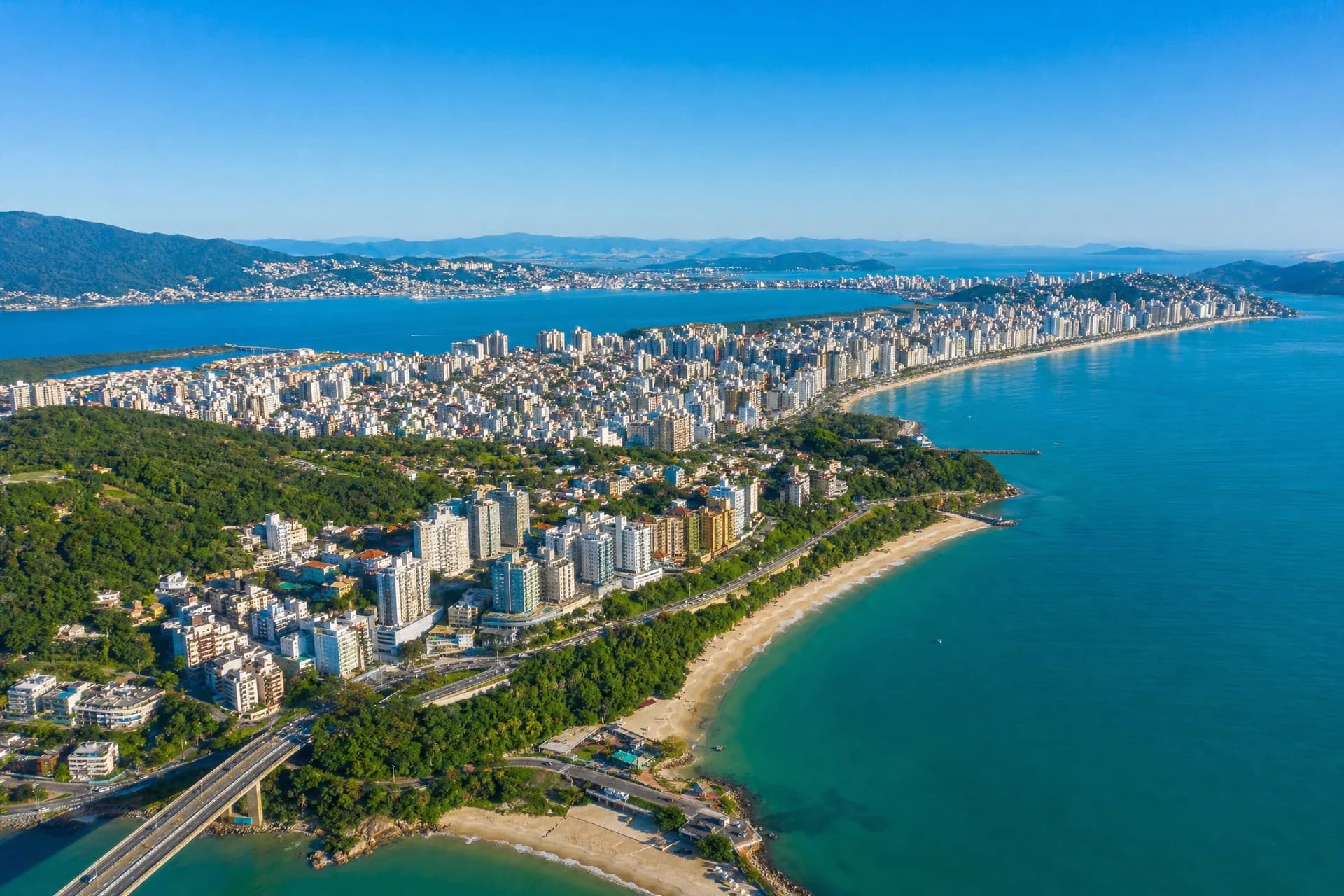
A strong Global South passport, reached in around six years on the standard route.
✓ Strong Global South passport
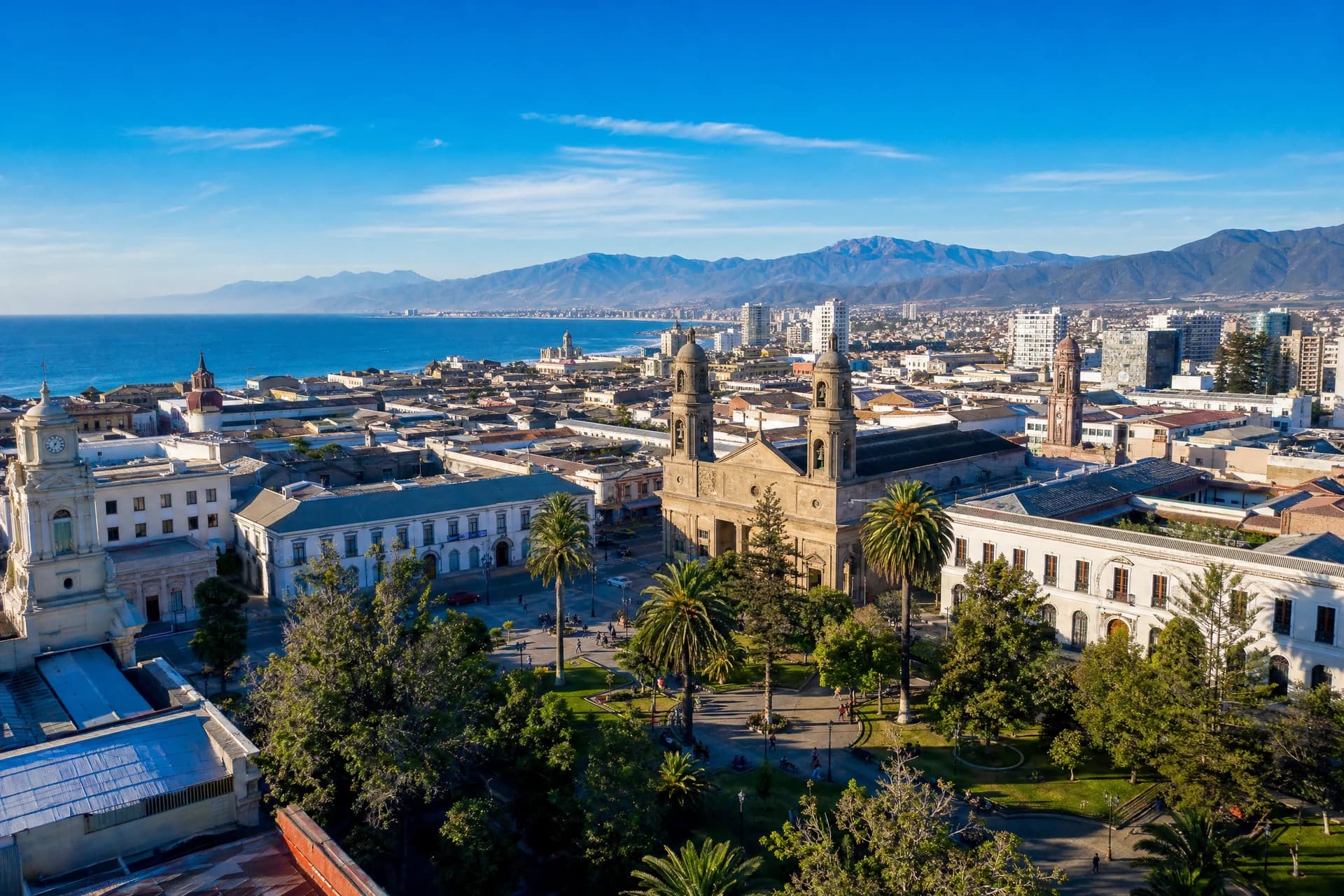
Latin America's economic anchor, with the highest legal certainty in the region.
✓ Strongest passport (US ESTA) + foreign income tax-free for up to 6 years