Costa Rica
Pura vida with a genuine territorial tax system: your foreign income stays tax-free. An honest assessment.
Sources for these facts
- Naturalisation: tse.go.cr, checked on 24 October 2026.
- Presence required: tse.go.cr, checked on 24 October 2026.
- CRS status: oecd.org, checked on 24 October 2026.
- Tax system: taxsummaries.pwc.com, checked on 24 October 2026.
Why Costa Rica?
Pura vida with a genuine territorial tax system: your foreign income stays tax-free. An honest assessment.
Costa Rica has a genuine territorial tax system: your foreign income, whether dividends, interest or foreign pensions, stays tax-free, regardless of how many days you spend in the country. Add pura vida, lush nature and one of the most stable and greenest democracies in the world, with no army since 1948. The programmes are established and predictable (pensionado since 1971). To be fair: Costa Rica is neither the cheapest nor the fastest country, and an income-based CAJA health insurance contribution belongs in your calculation.
- ✓A genuine territorial system: 0% on foreign income, regardless of days of presence
- ✓One of the most stable and greenest democracies in the world, no army since 1948
- ✓Established, predictable programmes (pensionado since 1971)
- ✓Low presence requirement: one entry a year is enough to keep your status
- ✓Dual citizenship possible
Residence permits and residency options
USD 1,000 a month in lifelong pension (a real pension or annuity, not investment income). Temporary residence first, permanent residency after 3 years.
USD 2,500 a month in guaranteed passive income over 2 years.
Investment in property, a business or an approved project. The reduced threshold of USD 150,000 under Law 9996 applied only within its five-year window, which ended on 14 July 2026; anyone who opted into the law's benefits by then keeps them for ten years from the grant (Article 12). For new applications, no accessible rule sets the threshold unambiguously: the regulation to Law 9996 (Decreto 43926) still names USD 150,000 and in 2023 repealed the earlier rule of USD 200,000, but the law itself limits the USD 150,000 to its term. We clarify which threshold the migration authority applies today before you apply.
A visa for remote workers, up to 2 years, income from around USD 3,000 a month, duty-free import of work equipment.
To keep your status: at least one entry a year, which makes Costa Rica low-presence and suitable as a Plan B. Permanent residency after 3 years of temporary residence. For naturalisation (7 years, 5 for Ibero-Americans and Spaniards), real presence and ties count.
Tax in Costa Rica
Costa Rica is a genuine territorial state: only income from Costa Rican sources is taxed (progressive up to around 25%). Your foreign income, whether dividends, interest or foreign pensions, stays tax-free, no matter how many days you spend in the country. That is the real core: no worldwide income, no complicated reporting logic on foreign earnings.
One cost belongs in an honest picture, although it is not a tax: every resident pays into the state health insurance CAJA, an income-based monthly contribution (roughly 7% to 11% of declared income). It secures your healthcare and must be kept up to date, otherwise your residency renewal stalls. On pensions: Costa Rica does not tax foreign pensions, but whether your pension stays taxable at home depends on your country and its treaty with Costa Rica. The overview below shows where you stand; we check your case.
Citizenship: the route to a second passport
Costa Rica is a long-term passport: you can apply for naturalisation after 7 years of uninterrupted legal residence at the earliest, or after 5 years for nationals of Spain and Ibero-American countries. You need to pass a test on language, history and values and have a clean criminal record. Approval is at the authorities' discretion. Dual citizenship is possible in practice. The Costa Rican passport is solid, but it is not the real reason for the country: that is territorial tax, stability and quality of life.
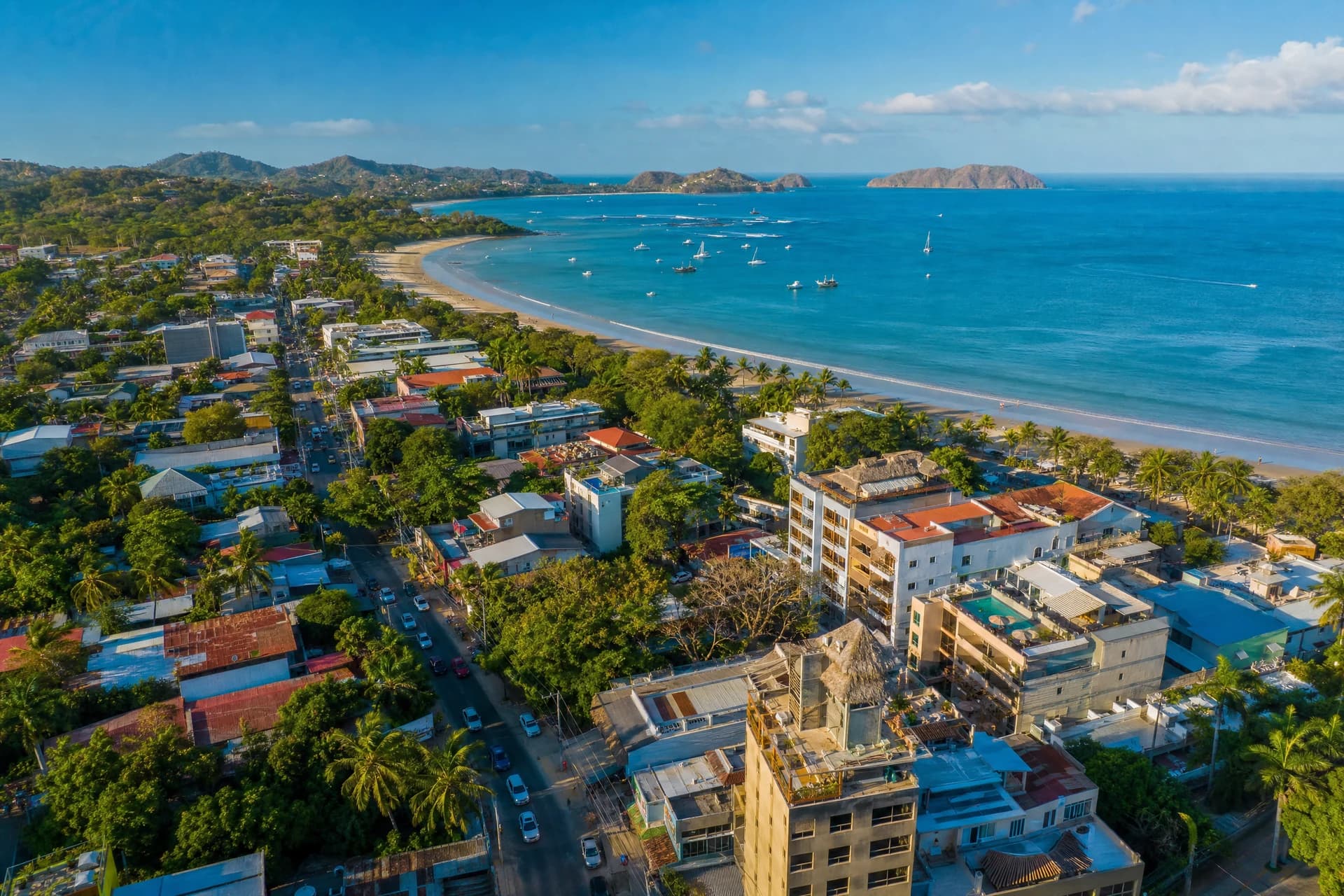
Our Costa Rica insider tip: Tamarindo
Tamarindo is the insider tip for beach life with infrastructure: a lively Pacific town in Guanacaste with surfing, an established international community and good connections, but American in feel and priced accordingly (comfortable flats often USD 1,600 to 2,400 a month). If you prefer cheaper and milder: Atenas and the Central Valley are said to have one of the most pleasant climates in the world and are popular with retirees; Escazú and Santa Ana offer upscale suburban infrastructure near San José; the south (Uvita, Dominical) pure nature. For a pura vida base, what counts in the end is access to nature, political and legal stability and an established expat infrastructure.
Banking outside Costa Rica
Costa Rica is a CRS participant. Banking and your operating company belong outside the country, so that your income stays clearly foreign-source and the territorial exemption applies. You open local accounts for daily life on the ground as a resident. We build the international structure for you.
Flag theory: why bank outside the country?
For your foreign income to stay genuinely foreign-source and the territorial exemption to apply, banking and company formation have to take place outside Latin America. We structure this for you. More about our services →
Who is Costa Rica right for, and who not?
✓ A good fit for
- ✓Anyone who wants to combine a genuine territorial system (0% on foreign income) with first-class nature and stability
- ✓Anyone who values a low presence requirement and an established, predictable residency process
- ✓Anyone drawing a pension who is looking for pura vida
✗ Less suited to
- ✗Anyone looking for the cheapest country (Costa Rica is more expensive, plus the CAJA contribution)
- ✗Anyone who wants to naturalise quickly and cheaply (7 years, discretionary decision)
- ✗Anyone who wants the same territorial principle cheaper and faster (then rather Panama)
Frequently asked questions about Costa Rica
Is my foreign income tax-free in Costa Rica?
Yes. Costa Rica taxes on a territorial basis, only domestic-source income. Foreign income, dividends, interest and foreign pensions stay tax-free, regardless of your days of presence.
What is the CAJA and how much does it cost?
The CAJA is the state health insurance. As a resident you pay an income-based monthly contribution (roughly 7% to 11% of declared income). It is compulsory and must be kept up to date, otherwise your residency renewal stalls.
How long until I get a passport?
7 years of legal residence (5 for Ibero-Americans and Spaniards), plus a language and values test, and approval is discretionary.
Do I have to live there permanently?
To keep your status, at least one entry a year is enough. For naturalisation, however, real presence and ties count.
Costa Rica or Panama?
Both are territorial. Panama is usually cheaper and faster to a passport. Costa Rica scores on nature, stability and quality of life, at higher cost.
Next steps
Is Costa Rica right for you?
Start with a free assessment: we look at your situation and tell you honestly whether this country fits you.
Explore other countries
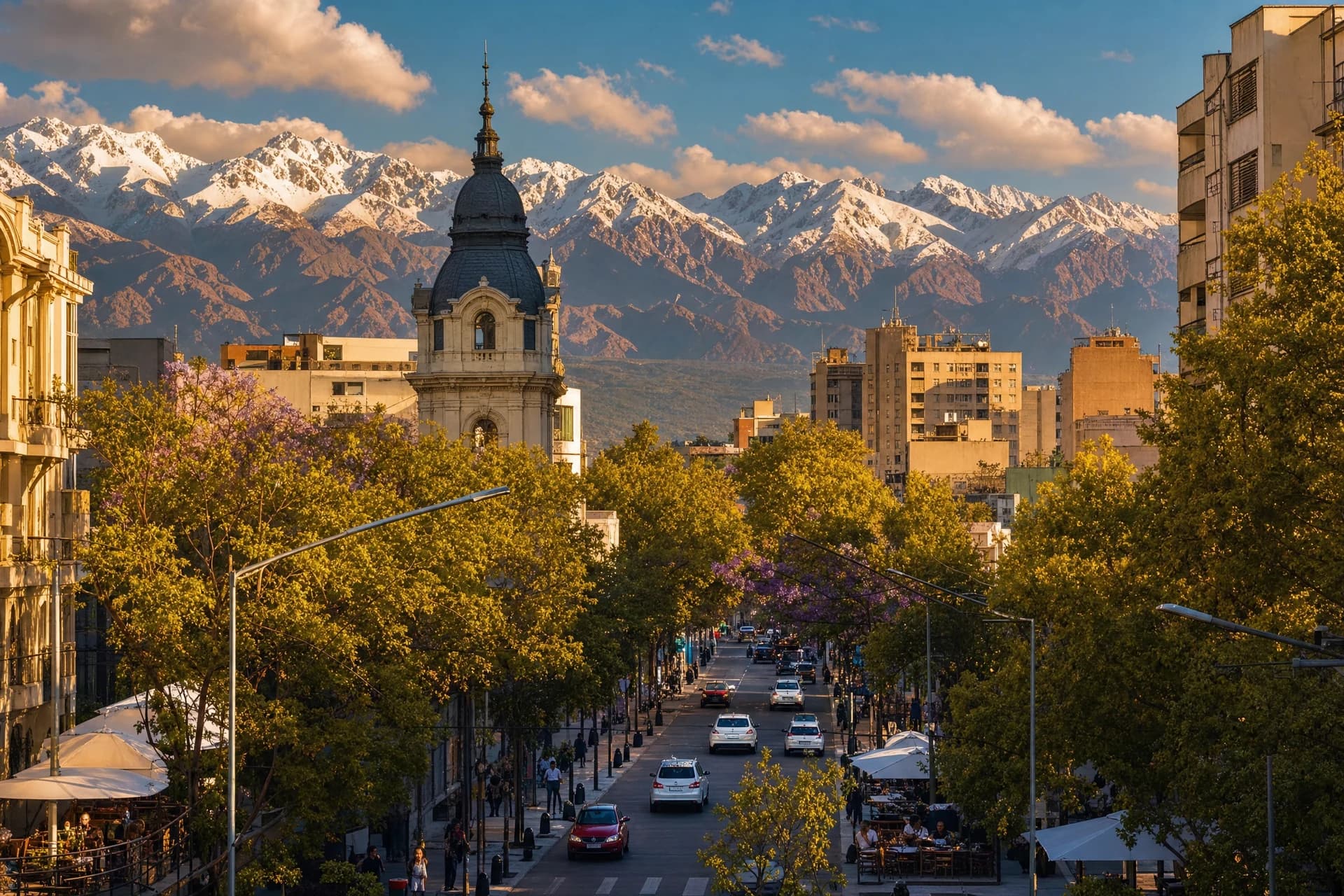
Productive farmland and vineyards in your own name, a real-asset hedge far from the world's trouble spots.
✓ Farmland + real assets + optional 2-year passport
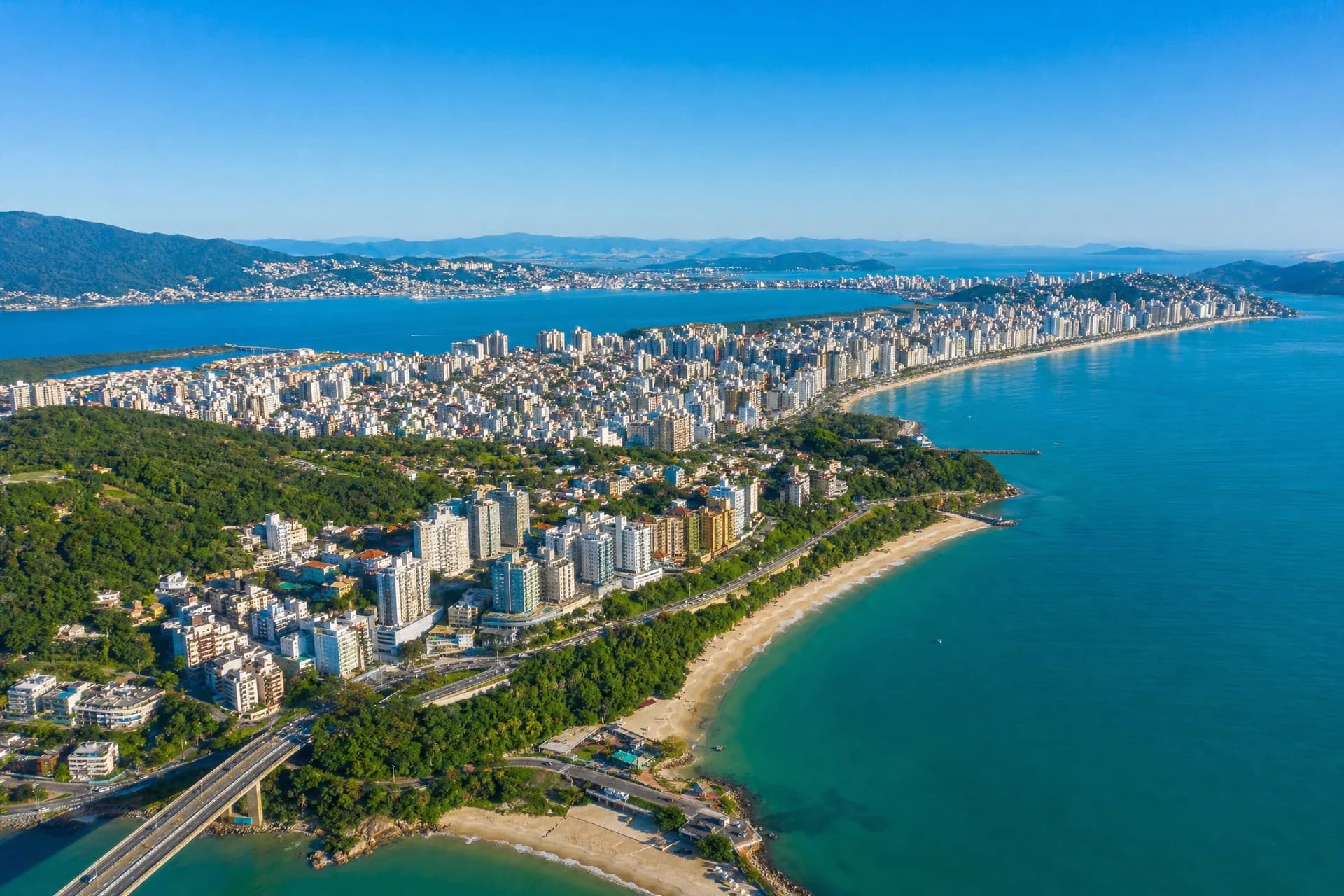
A strong Global South passport, reached in around six years on the standard route.
✓ Strong Global South passport
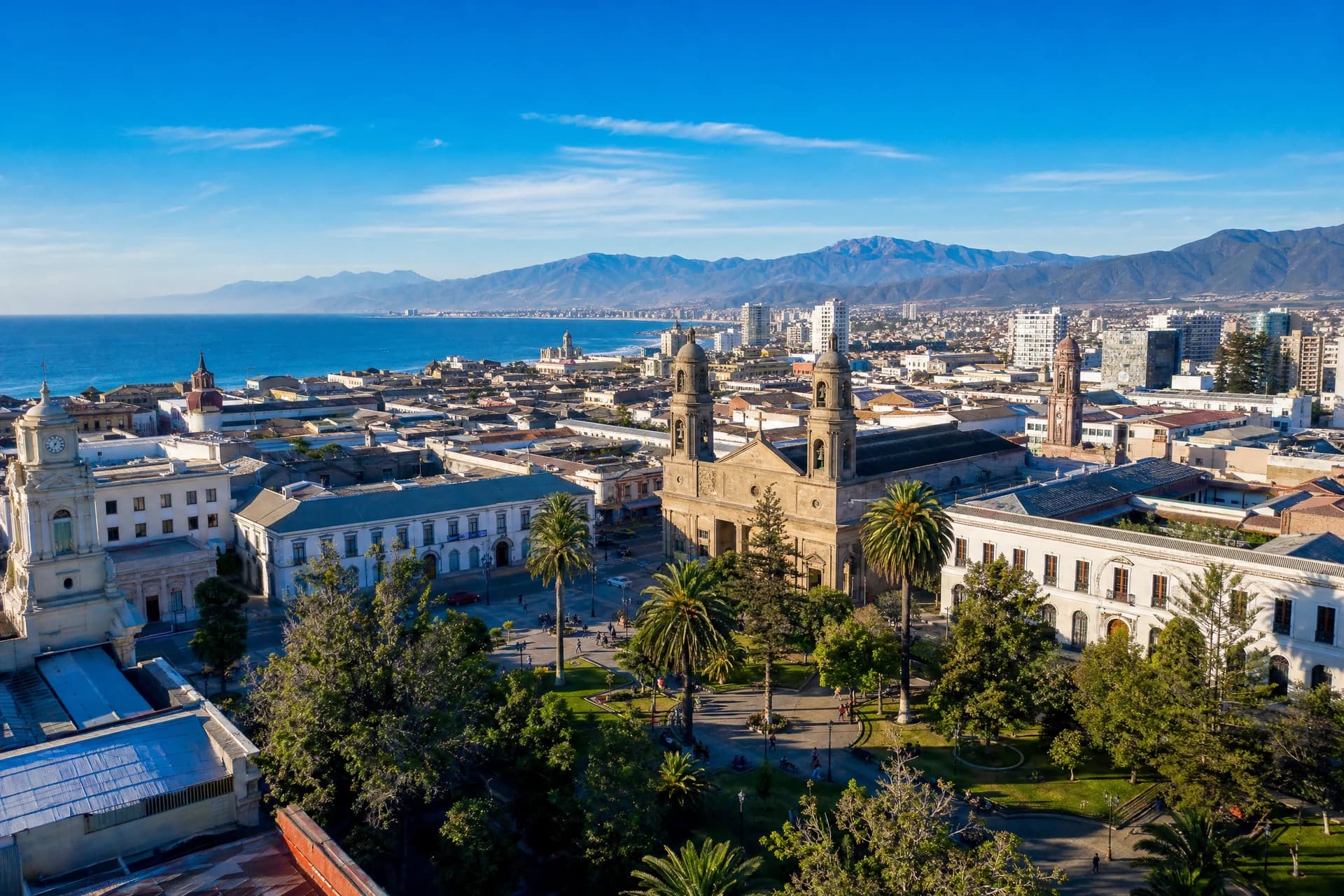
Latin America's economic anchor, with the highest legal certainty in the region.
✓ Strongest passport (US ESTA) + foreign income tax-free for up to 6 years