Chile
Latin America's economic anchor, with the highest legal certainty in the region.
Sources for these facts
- Naturalisation: serviciomigraciones.cl, checked on 24 October 2026.
- Presence required: bcn.cl, checked on 24 October 2026.
- CRS status: oecd.org, checked on 24 October 2026.
- Tax system: taxsummaries.pwc.com, checked on 24 October 2026.
Why Chile?
The region's economic rock, with the strongest legal certainty in Latin America and up to 6 years of tax-free foreign income.
The most stable, most developed location in South America: strong institutions, OECD membership and the strongest passport in Latin America. Add a modified territorial tax logic: new residents pay tax only on Chilean-source income for up to six years. Chile is strong on stability, passport and quality of life, not as a permanently tax-free base.
- ✓The highest legal and institutional certainty in the region (OECD member)
- ✓3 years (up to 6 on application) taxed on Chilean-source income only, so foreign income stays tax-free for that time
- ✓Strongest passport in Latin America: visa-free to around 174 countries, including the US Visa Waiver Program and Canada
- ✓No general wealth tax
- ✓Dual citizenship, no formal written language or citizenship test
Residence permits and residency options
Passive income such as a pension (guideline around USD 1,000 to 1,500 a month, + USD 500 to 600 per dependant) or a lump sum of around USD 125,000 (jubilado from age 55). Residencia Temporal for up to 2 years, work permitted. Applied for online through SERMIG, before you arrive.
From USD 500,000 in a productive activity. Residencia Temporal, then the route to permanent residence.
After 24 months of temporary residence, if you spent no more than two months abroad in total during that time; with more absence, 30, 36 or 48 months (DS 296, Article 65). For rentistas, jubilados and investors the authority can shorten this to as little as 12 months. Once granted, it is valid for life. It only lapses after 2 years of continuous absence; a one-off extension of a further 2 years is available through a Chilean consulate, applied for 60 days before the deadline.
Tax in Chile
Chile taxes tax residents on worldwide income in principle, but new residents enjoy a generous deferral: in the first 3 years after arrival only Chilean-source income is taxed; on application to the tax authority SII this can be extended by a further 3 years, to up to 6 years. The extension is not automatic. For that long, your foreign income remains untaxed.
Important to understand: you become tax resident with more than 183 days of presence within any 12-month period, and that is where the tension lies. The presence you need for permanent residence (no more than two months of absence in total for the 24-month route) is far above the threshold for worldwide taxation. The deferral of 3 (up to 6) years is exactly the lever that defuses this phase: you build up the presence for residency and passport while your foreign income stays protected. After that, worldwide income applies (progressive up to 40%); if you do not want that, plan the transition in good time. There is no general wealth tax (only a 2% levy on high-value luxury goods such as aircraft, yachts and expensive vehicles).
On pensions, honestly: Chile itself does not tax foreign pensions. That does not automatically make them tax-free, because whether your pension stays taxable at home depends on your country and its treaty with Chile. The overview below shows where you stand; we check your specific case.
The two-flag pair: Chile + Paraguay
A combination that has proven itself in practice: Chile for lifestyle, infrastructure and the strong passport, Paraguay for a lasting, low-presence tax residence. You use Chile's 3+3 window, build your Paraguayan base in parallel and end up with both: quality of life and long-term tax autonomy. Multi-flag structures like this are our core business.
Citizenship: the route to a second passport
After 5 years of continuous legal residence (temporary and permanent residence count together from the first electronic residence stamp) you can apply for naturalisation. There is no formal written test; SERMIG may, however, schedule an interview that checks basic Spanish and knowledge of history, geography and civics, and with complete, solid documents it can be waived. Dual citizenship is permitted, and naturalisation is voluntary: you can keep the Residencia Definitiva indefinitely without a passport.
Timing is the strategic key. The route to permanent residence and passport is presence-heavy (no more than two months of absence in the first two years for the fastest route); after that, Chile becomes exceptionally flexible. The Residencia Definitiva is valid for life and only lapses after 2 years of continuous absence; a one-off extension of a further 2 years is possible through a Chilean consulate, applied for 60 days before the deadline. The aim is therefore to secure residency and passport within the 3 to 6-year tax deferral if possible. The Chilean passport is the strongest in Latin America: visa-free or visa on arrival in around 174 countries, including Schengen, and the only one in the region with the US Visa Waiver Program and visa-free Canada.
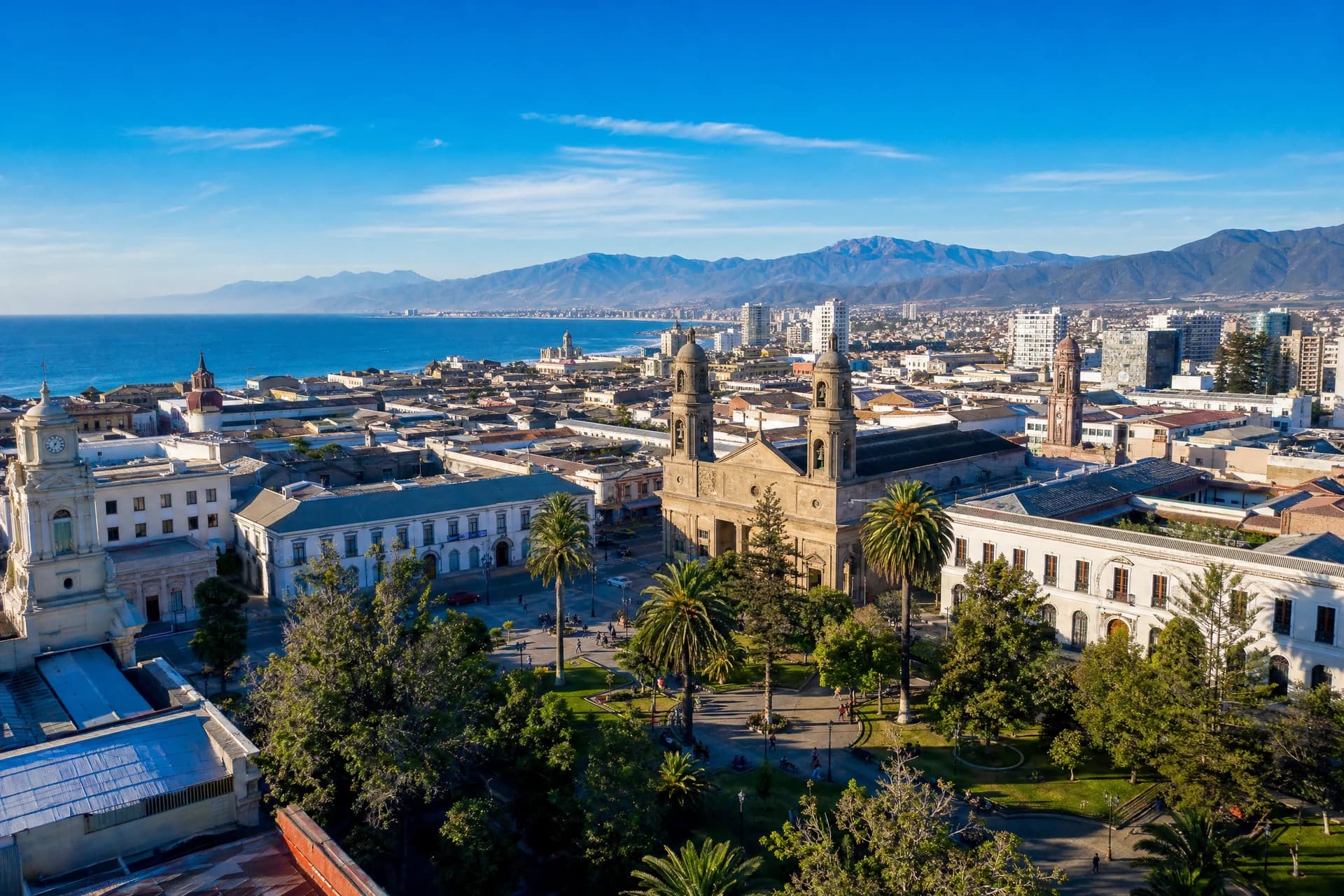
Our Chile insider tip: La Serena
La Serena is the insider tip for relaxed coastal living at low cost: comfortable flats often from USD 600 to 900 a month, miles of Pacific beaches, colonial architecture and, with more than 300 clear nights a year in the quiet Elqui Valley, some of the best night skies in the world. The city is safe, sunny and far calmer than the capital. Santiago offers full metropolitan infrastructure, banking and international connections; Valparaíso a maritime, artistic feel; Pucón and the south lakes, volcanoes and pure nature. For a high-quality place to move to, what counts is the highest legal certainty, a pleasant climate and the strong Chilean passport at the end of the road.
Banking outside Chile
Your banking and your operating company belong outside Chile. Chile is a CRS participant, and while your foreign income is protected by the tax deferral, the cleanest approach is to keep it clearly foreign-source. You open a local everyday account on the ground as a resident. We build the international structure and the right timing around the deferral for you.
Flag theory: why bank outside the country?
Because the country is a CRS participant and you do not want to create local economic substance or a permanent establishment, banking and your operating company belong outside Latin America. We structure this for you. More about our services →
Who is Chile right for, and who not?
✓ A good fit for
- ✓Anyone who wants top stability and the strongest passport in Latin America
- ✓Anyone who uses the 3 to 6-year window to build residency and passport under tax protection
- ✓Anyone drawing a pension (Chile does not tax it; what your home country keeps taxing is shown on this page)
✗ Less suited to
- ✗Anyone who wants 0% on foreign income permanently (Paraguay or Panama offer that)
- ✗Anyone who wants the passport without significant presence (practically year-round presence until permanent residence)
- ✗Anyone who wants the lowest cost of living (Paraguay is much cheaper)
Frequently asked questions about Chile
How long does my foreign income stay tax-free?
For the first 3 years as a new resident only Chilean-source income is taxed; on application to the SII this can be extended to up to 6 years (not automatically). After that, worldwide income applies (up to 40%).
When do I become tax resident?
With more than 183 days of presence within any 12-month period. A residence visa alone does not make you tax resident as long as you stay below that threshold.
Are my foreign pensions tax-free in Chile?
Chile itself does not tax foreign pensions. Whether they are entirely tax-free depends on your home country and its treaty with Chile; the home-country section on this page shows where you stand.
How much time do I actually have to spend there?
A lot until permanent residence: you only make the 24-month route with no more than two months of absence in total, and any longer absence extends it to 30, 36 or 48 months. After that, very little: the Residencia Definitiva only lapses after 2 years of continuous absence; a one-off extension of a further 2 years is possible through a Chilean consulate (apply 60 days before the deadline).
How quickly can I get a Chilean passport?
After 5 years of continuous residence, counted from the stamp of your first temporary residence (temporary and permanent residence count together). No formal written test, at most a personal interview.
Is there a wealth tax?
No general one. Only a 2% levy on high-value luxury goods such as aircraft, yachts and expensive vehicles.
Next steps
Is Chile right for you?
Start with a free assessment: we look at your situation and tell you honestly whether this country fits you.
Explore other countries

Productive farmland and vineyards in your own name, a real-asset hedge far from the world's trouble spots.
✓ Farmland + real assets + optional 2-year passport
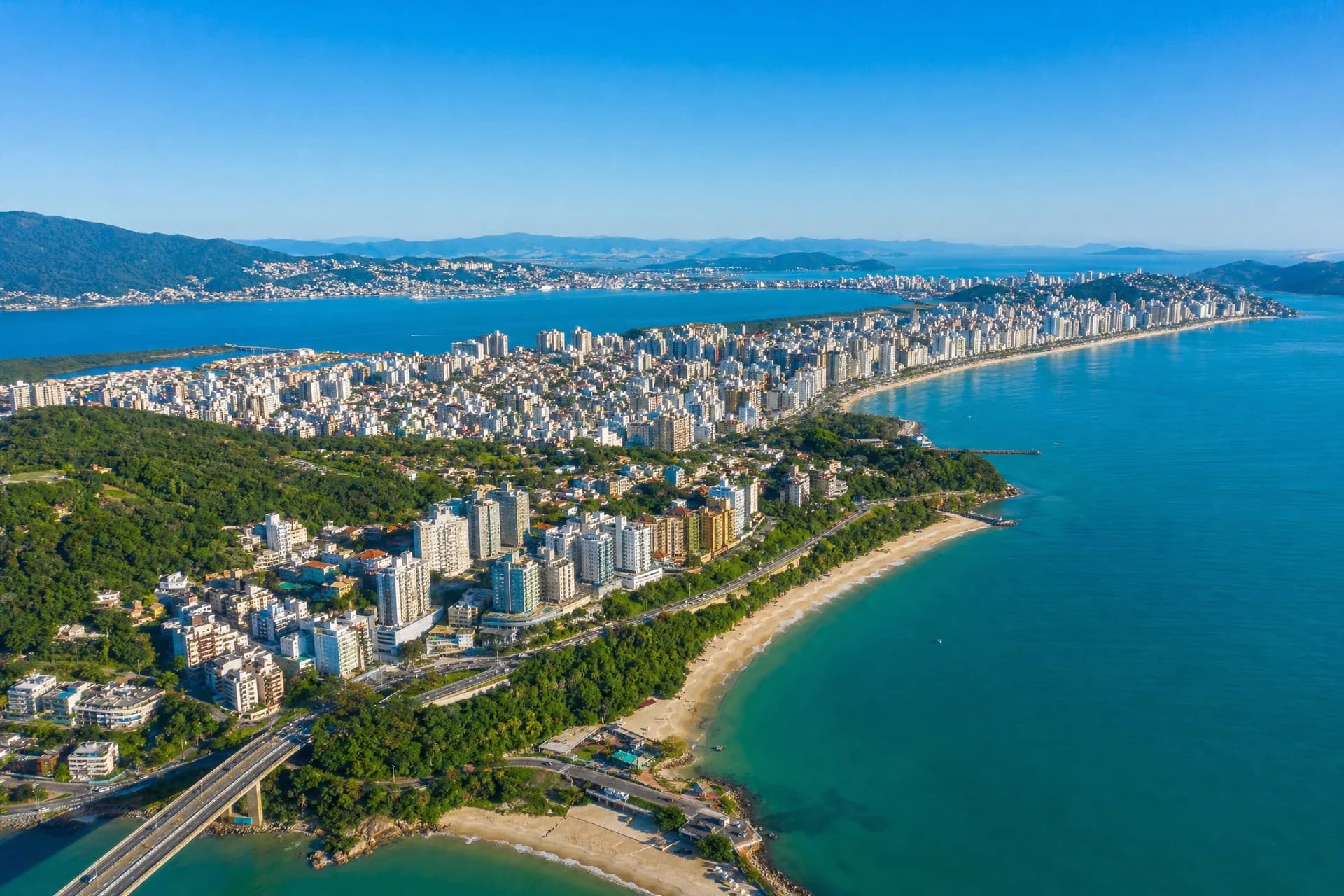
A strong Global South passport, reached in around six years on the standard route.
✓ Strong Global South passport
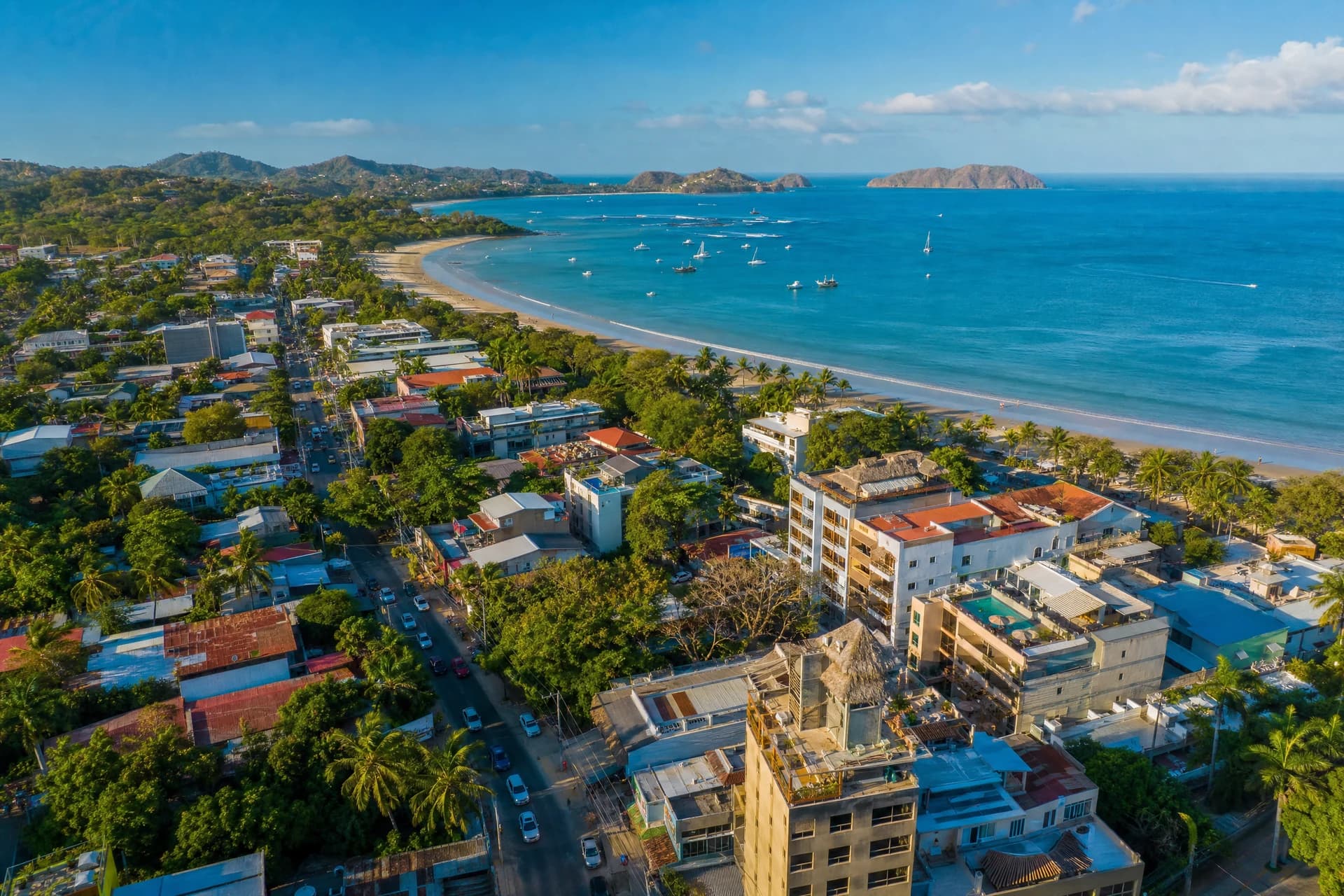
Pura vida with a genuine territorial tax system: your foreign income stays tax-free. An honest assessment.
Bill Expediente 25.796 (introduced on 22 September 2026, not yet law) would tax foreign interest, dividends, rent and capital gains of tax residents at 15%.
✓ Territorial + stability + no army since 1948