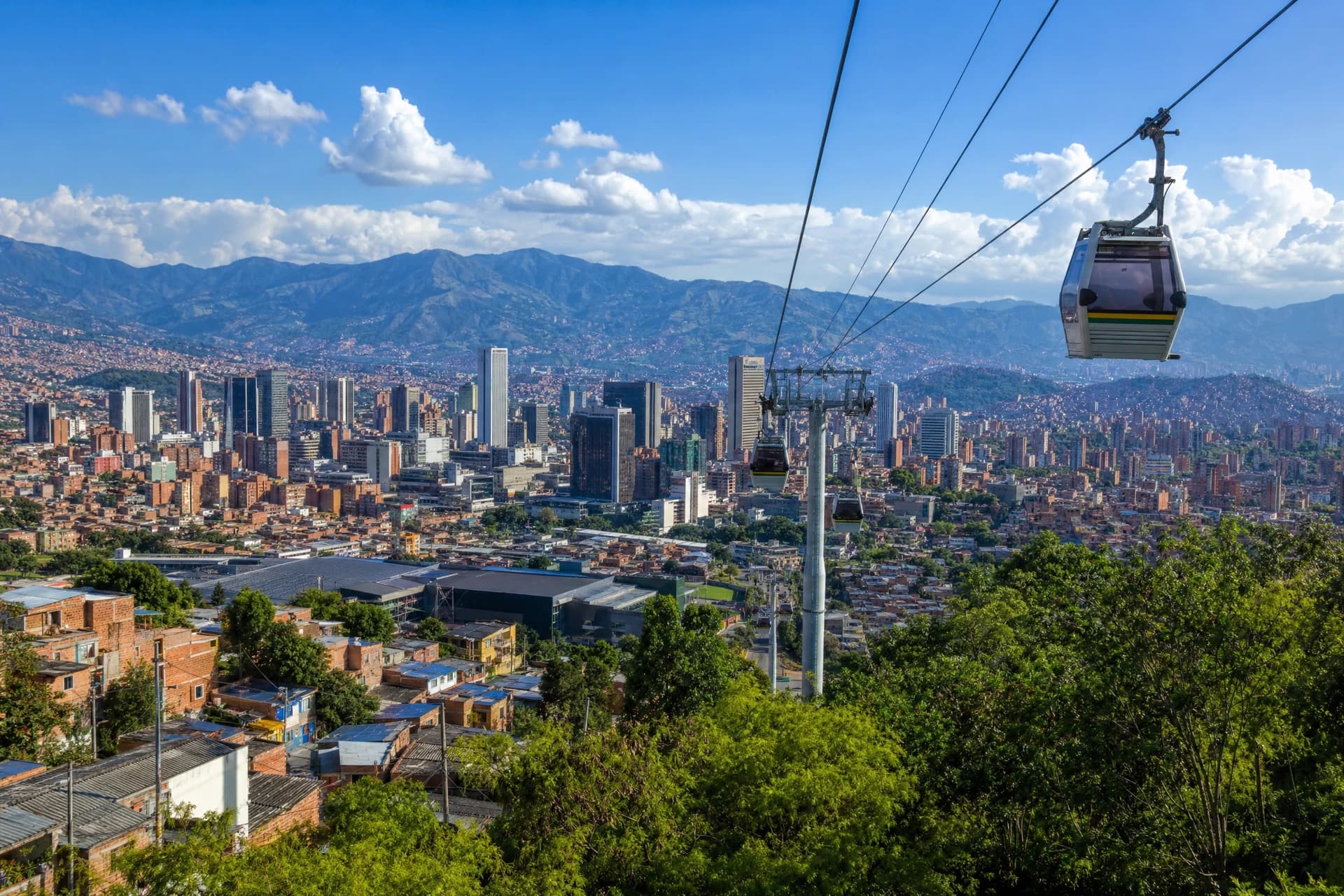
Colombia
A dynamic economy, the Coffee Axis and a high quality of life at low cost.
Sources for these facts
- Naturalisation: secretariasenado.gov.co, checked on 24 October 2026.
- Presence required: cancilleria.gov.co, checked on 24 October 2026.
- CRS status: oecd.org, checked on 24 October 2026.
- Tax system: taxsummaries.pwc.com, checked on 24 October 2026.
Why Colombia?
Enormous economic momentum at the heart of the coffee region.
Colombia is the growth story of the Andean region: one of the largest economies in Latin America, a young, growing middle class and a thriving tech and entrepreneurial hub in Medellín and Bogotá. Add quality of life at low cost, a mild climate and the famous Eje Cafetero, the coffee region around Pereira. Honestly, though: for tax optimisation Colombia is not the first candidate. Residents are taxed on worldwide income, and above roughly USD 1 million in net assets a wealth tax applies on top. The value lies in quality of life, low costs and economic momentum, not in the tax rate.
- ✓A dynamic economy with a growing tech and entrepreneurial hub (Medellín, Bogotá)
- ✓High quality of life at low cost, mild Andean climate
- ✓The Eje Cafetero: green mountains and coffee culture around Pereira
- ✓A growing international community of entrepreneurs and remote workers
- ✓Solid residency and naturalisation routes
Residence permits and residency options
Lifelong pension from 3x the minimum wage (around USD 1,375 a month). Migrant visa (M), counts towards residency. Route to the resident visa (R) after 5 years.
Property from 350x the minimum wage (around USD 160,000) or a business stake from 100x the minimum wage (around USD 46,000), registered with the Banco de la República. Migrant visa (M), route to the R visa after 5 years.
Remote workers with foreign income from 3x the minimum wage (around USD 1,375 a month), for up to 2 years. Note: a visitor visa (V), it does not count towards residency.
Passive income from 10x the minimum wage (around USD 4,585 a month). Also a visitor visa (V) since Resolution 5477, up to 2 years, does not count towards residency. For the residency route, pensionado or investor is the right permit.
Colombia is Plan A, not a low-presence backup. M visas require real presence: no continuous absence of more than 6 months, and for investors in practice around 180 days a year. That very presence makes you tax resident from 183 days. The R visa (after 5 years on an M visa) only lapses after more than 2 years of absence.
Tax in Colombia
Honest and complete: Colombia taxes residents on worldwide income, progressive from 0% to 39% (a planned increase to 41% was rejected in December 2025). You become tax resident from 183 days within any 365-day period. The first roughly 1,090 UVT (about USD 14,000) are tax-free, and foreign pensions up to a further 1,000 UVT.
Crucial for wealthy readers, and exactly what others leave out: since the 2022 reform Colombia has levied a permanent wealth tax (Impuesto al Patrimonio) on net assets above 72,000 UVT (around USD 1 million), at 0.5% to 1.5%, and for residents on worldwide assets. A 2026 reform that would lower the threshold to 40,000 UVT (around USD 563,000) and raise the rates to up to 5% is currently before the Constitutional Court. If you want to protect wealth, you have to plan for this. Colombia is therefore a quality-of-life and growth location, not a tax location.
Citizenship: the route to a second passport
Colombia does not count the naturalisation period from your first residence but from the resident visa (R): five years of uninterrupted domicile from its issue (Ley 2332 de 2023, Article 9). On the usual routes, the R visa itself only comes after five years on a migrant visa (M), for example as a pensionado, investor, entrepreneur or employee (Resolución 5477 de 2022, Article 90). Together that is around ten years. You need proof of Spanish and must pass an exam on Colombian history, geography and the constitution. Dual citizenship is permitted. The Colombian passport gives visa-free access to Schengen and much of Latin America.
Our Colombia insider tip: Pereira
Pereira is the insider tip at the heart of the Eje Cafetero, the world-famous coffee region: a lively mid-sized city at around 1,400 m with a mild spring-like climate, lush green mountains all around and the UNESCO-listed coffee cultural landscape on the doorstep. Comfortable flats start at USD 550 to 800 a month, with good services, its own airport and lower costs than Medellín. Nearby are Salento and the Cocora Valley with the tallest palms in the world. Medellín, the city of eternal spring, offers the largest expat community and infrastructure (at higher prices); Manizales and Armenia complete the coffee triangle; Bogotá offers capital-city momentum at 2,640 m. For a place to move to, what counts in the end is a mild climate, low costs and the green quality of life of the coffee region.
Banking outside Colombia
Your banking and your operating company belong outside Colombia. The country taxes residents on worldwide income and wealth and is a CRS participant. You open local everyday accounts (with a cédula de extranjería) on the ground as a resident. We build the international structure and the deliberate management of your tax residence for you.
Flag theory: why bank outside the country?
Because the country is a CRS participant and you do not want to create local economic substance or a permanent establishment, banking and your operating company belong outside Latin America. We structure this for you. More about our services →
Who is Colombia right for, and who not?
✓ A good fit for
- ✓Anyone looking for a high quality of life at low cost who actually lives there
- ✓Anyone who values a dynamic entrepreneurial and tech environment (Medellín, Bogotá)
- ✓Anyone looking for life in the green coffee region (Eje Cafetero)
✗ Less suited to
- ✗Anyone who wants to optimise tax (worldwide income up to 39% plus wealth tax)
- ✗Anyone looking for a low-presence backup without real presence (then Paraguay or Panama)
- ✗High-net-worth individuals who want to avoid wealth tax (applies from about USD 1 million, with a reform towards a lower threshold)
Frequently asked questions about Colombia
Is Colombia good for tax optimisation?
No. Residents pay tax on worldwide income (up to 39%) and, above roughly USD 1 million in net assets, a wealth tax on top. Colombia's strengths are quality of life, costs and economic momentum, not the tax rate.
When do I become taxable?
From 183 days within any 365-day period. Then worldwide income applies (0% to 39%); the first roughly 1,090 UVT (about USD 14,000) are tax-free.
Which visa leads to residency and which does not?
Pensionado and investor are migrant visas (M) and count towards residency (R visa after 5 years). Digital nomad and rentista are visitor visas (V) and count neither towards residency nor towards the passport.
How much time do I have to spend there?
A lot on the M route: no absence of more than 6 months in a row, and for investors in practice around 180 days a year. Colombia is a Plan A to move to, not a low-presence backup.
How quickly can I get a Colombian passport?
On the usual route after around 10 years: 5 years on an M visa until the resident visa (R), then 5 years of domicile from the R visa. Plus a Spanish and civics test.
Next steps
Is Colombia right for you?
Start with a free assessment: we look at your situation and tell you honestly whether this country fits you.
Explore other countries

Productive farmland and vineyards in your own name, a real-asset hedge far from the world's trouble spots.
✓ Farmland + real assets + optional 2-year passport
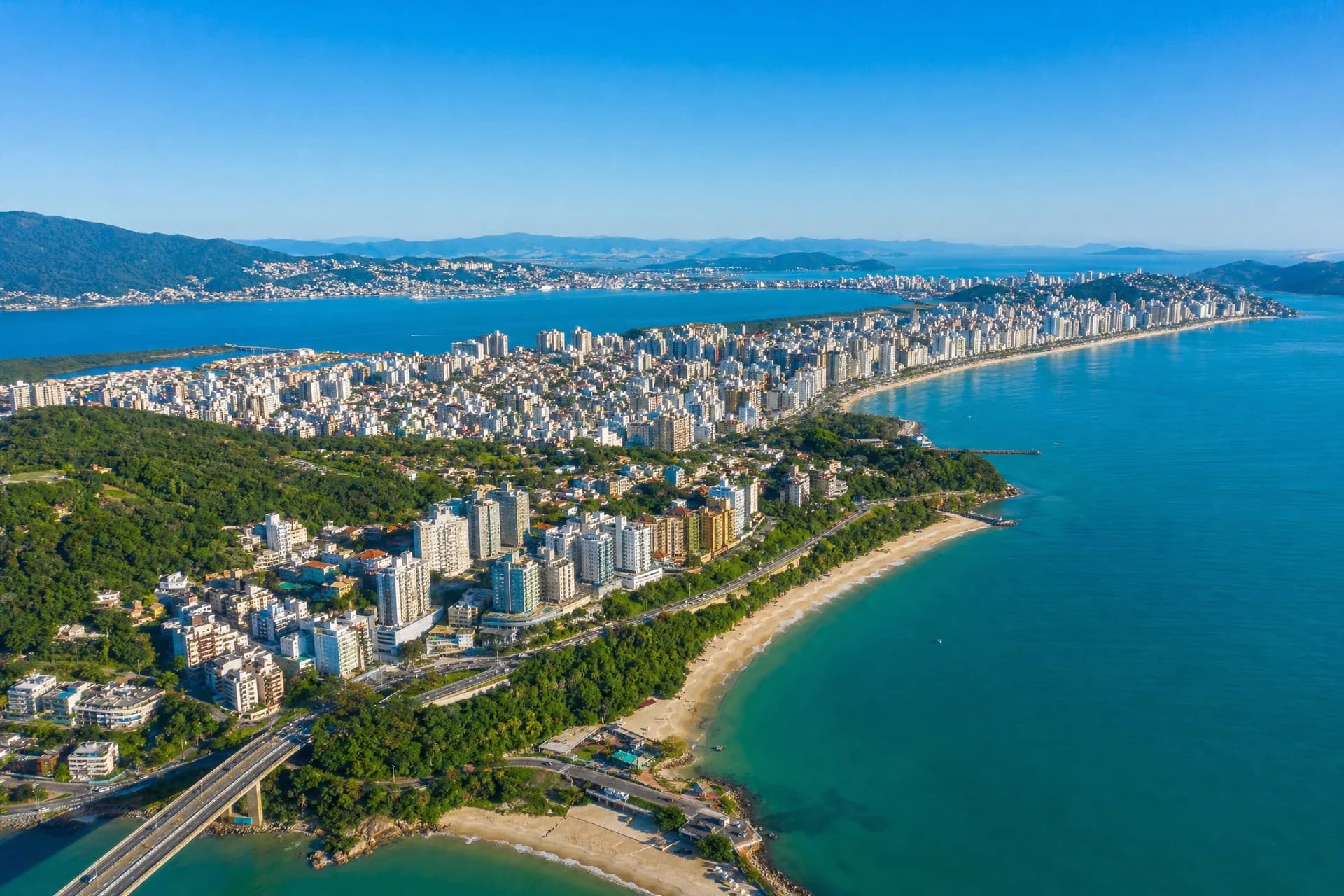
A strong Global South passport, reached in around six years on the standard route.
✓ Strong Global South passport
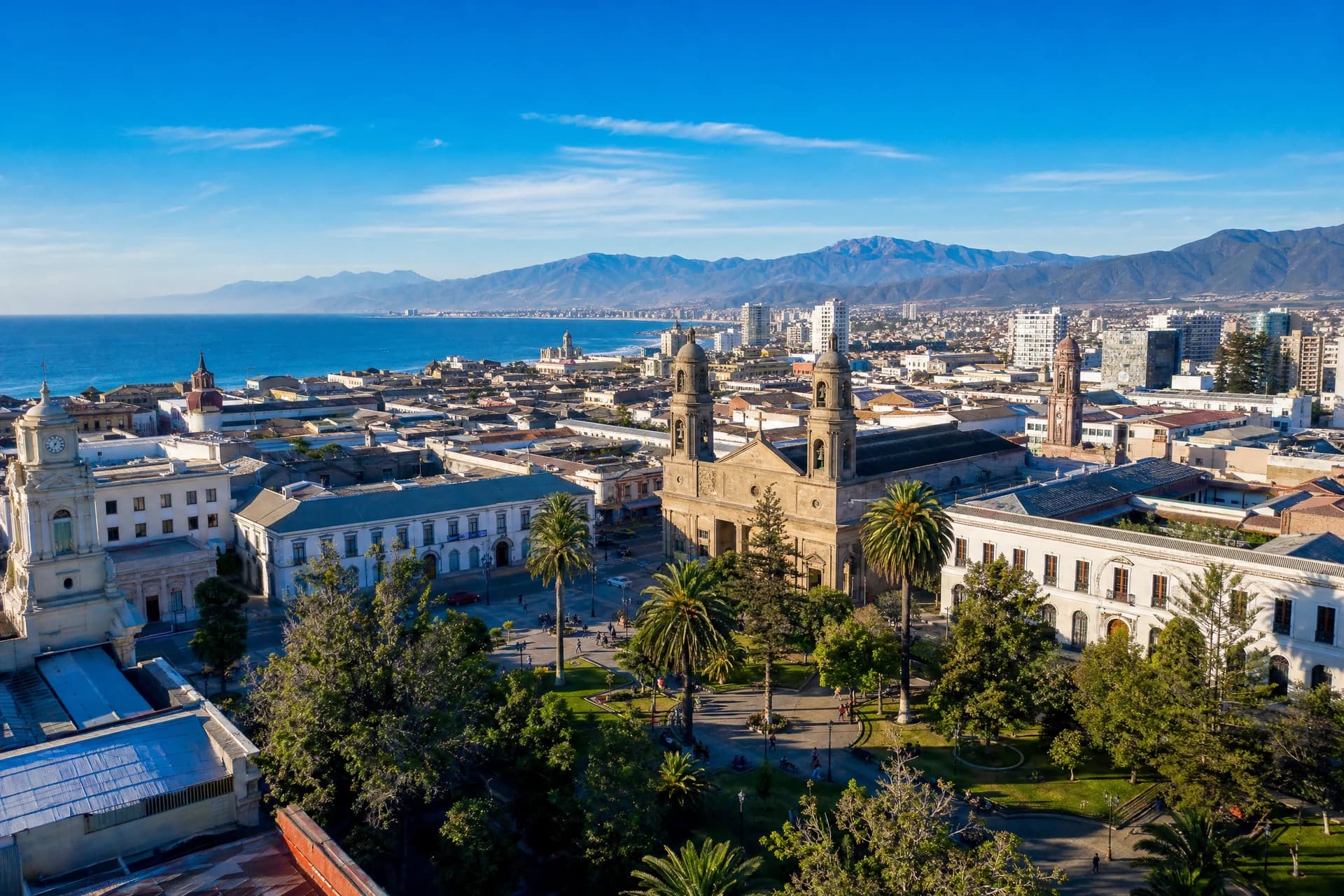
Latin America's economic anchor, with the highest legal certainty in the region.
✓ Strongest passport (US ESTA) + foreign income tax-free for up to 6 years