
Uruguay
The Switzerland of South America: an 11-year tax holiday on foreign capital, strong USD banks, the highest stability.
Sources for these facts
- Naturalisation: gub.uy, checked on 24 October 2026.
- Presence required: impo.com.uy, checked on 24 October 2026.
- CRS status: oecd.org, checked on 24 October 2026.
- Tax system: taxsummaries.pwc.com, checked on 24 October 2026.
Why Uruguay?
The Switzerland of South America: an 11-year tax holiday on foreign capital income, strong USD banks, top stability.
The Switzerland of South America: top stability, strong USD banks and 11 years tax-free on foreign capital income. The most stable, most European location in the region, with strong institutions, reliable USD banks and the rule of law. Add one of the most generous tax holiday regimes in the world, which since 2026, however, requires real presence or significant capital.
- ✓An 11-year tax exemption on foreign capital income for new residents (then a transition)
- ✓No wealth tax on foreign assets
- ✓The highest political stability and legal certainty in Latin America
- ✓Strong USD banks, savings mostly held in US dollars
- ✓Mercosur freedom of movement and a respected passport
Residence permits and residency options
Proof of regular income (from around USD 1,500 a month) plus temporary residence, renewable annually. A practical entry without a large investment.
Three routes to the tax holiday: more than 183 days of presence (centre of life), property from around USD 2 million, or USD 100,000 a year into the national innovation fund (for 11 years). The old USD 590,000 route has gone since 2026.
After 5 years of legal residence, the route leads to naturalisation. Dual citizenship is possible.
Tax in Uruguay
Uruguay in principle taxes only income from Uruguayan sources; foreign employment income is largely untouched. New residents also receive a tax exemption on foreign capital income for the year of arrival plus ten years, 11 years in total. A transition phase follows (5 years at 6%), then the standard rate of 12% on foreign capital income.
The honest 2026 picture: the reform (Ley 20.446) raised the bar. The affordable property route of around USD 590,000 with 60 days of presence has been abolished without replacement. Only three routes now count, each in every year of the window: more than 183 days of real presence without investment, property above 12.5 million Unidades Indexadas (around USD 2 million), or around USD 100,000 a year into approved innovation and productive funds. Foreign capital income outside the holiday is taxed at 12% (8% if withheld by a Uruguayan agent; the ficto option is effectively 2.4% of the sale price), and a transparency rule attributes income from foreign companies directly to you. The permanent 7% option has expired for newcomers. No wealth tax on foreign assets. Grandfathering applies to anyone who became tax resident before 2026 AND actually exercised the option; the protection covers the full remaining term and extends to the newly included foreign rents and capital gains.
Citizenship: the route to a second passport
Uruguay grants legal citizenship (ciudadanía legal) after 5 years of habitual residence (Constitution, Article 75), counted from when you take up residence. You must show knowledge of Spanish, ties to the country and real residence: no trip abroad may last longer than six months in a row, otherwise the period starts again. The right to vote only follows three years after the certificate. Dual citizenship is possible; you do not have to give up your existing one. A Uruguayan peculiarity: naturalised citizens receive citizenship, not nationality; in practice you get the passport and full civic rights, and we assess some of the finer points individually. The Uruguayan passport brings Mercosur freedom of movement and visa-free access to around 150 countries including Schengen.
Our Uruguay insider tip: Colonia del Sacramento
Colonia del Sacramento is the insider tip for relaxed quality of life: comfortable homes around USD 1,000 to 1,500 a month, a UNESCO World Heritage old town of cobbled lanes on the Río de la Plata and a fast ferry to Buenos Aires. The town is safe and quiet yet well connected, ideal for anyone who wants stability without big-city bustle. Montevideo, the capital, offers full infrastructure, strong USD banks and international schools; Punta del Este the glamorous but expensive premium beach segment; Carrasco upscale living right by the airport. For a Plan B location, what counts is the highest legal certainty, stable USD banks and short routes to Buenos Aires and Europe.
Banking outside Uruguay
Uruguay is known for strong, USD-denominated banks. Savings here are mostly held in US dollars, and you open a local account on the ground as a resident. At the international level, however, Uruguay is a CRS participant, so your operating company and main structure belong cleanly structured outside the country. We build this architecture for you.
Flag theory: why bank outside the country?
Because the country is a CRS participant and you do not want to create local economic substance or a permanent establishment, banking and your operating company belong outside Latin America. We structure this for you. More about our services →
Who is Uruguay right for, and who not?
✓ A good fit for
- ✓Anyone looking for the highest stability and legal certainty in Latin America
- ✓Anyone who wants foreign capital income tax-free for up to 11 years
- ✓Anyone who values strong USD banks and a European environment
✗ Less suited to
- ✗Anyone looking for the cheapest location (Paraguay is much cheaper)
- ✗Anyone who wants the investment route without around USD 2 million (raised since 2026)
- ✗Anyone who wants 0% on all foreign income permanently (after 11 years, 12% on capital income)
Frequently asked questions about Uruguay
How long is my foreign income tax-free in Uruguay?
For new residents, 11 years (year of arrival plus ten years) on foreign capital income. Then 5 years of transition at 6%, then 12%. Foreign employment income is largely untaxed anyway.
What changed in 2026?
Ley 20.446: the route of around USD 590,000 with 60 days was abolished without replacement. What remains is more than 183 days of real presence without investment, around USD 2 million in property or around USD 100,000 a year in approved funds, each in every year of the window. Foreign rents and capital gains are now part of the tax base, 12% applies outside the holiday, and a transparency rule has been added. Protected are those who became resident before 2026 and exercised the option.
Is there a wealth tax?
Not on foreign assets. A wealth tax applies only to assets located in Uruguay above certain thresholds.
How do I get residency?
Legal residency is based on proof of income (from around USD 1,500 a month). The 11-year tax holiday is unlocked separately, since 2026 through more than 183 days of presence, around USD 2 million in property or around USD 100,000 a year in approved funds.
How quickly can I get a passport?
After 5 years of habitual residence, counted from when you take up residence; no trip abroad may last longer than six months in a row. Dual citizenship is possible.
Next steps
More on Uruguay
Is Uruguay right for you?
Start with a free assessment: we look at your situation and tell you honestly whether this country fits you.
Explore other countries

Productive farmland and vineyards in your own name, a real-asset hedge far from the world's trouble spots.
✓ Farmland + real assets + optional 2-year passport
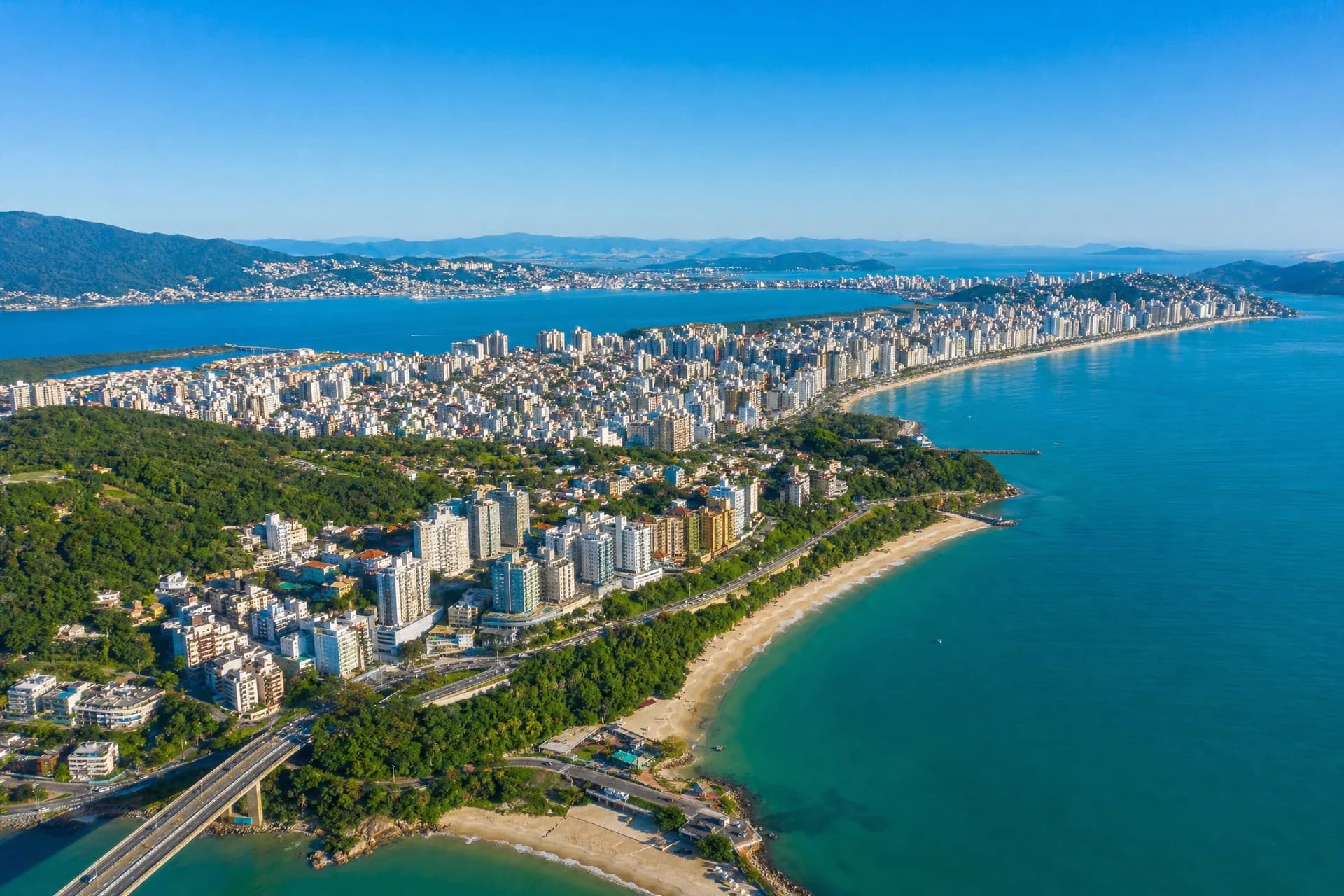
A strong Global South passport, reached in around six years on the standard route.
✓ Strong Global South passport
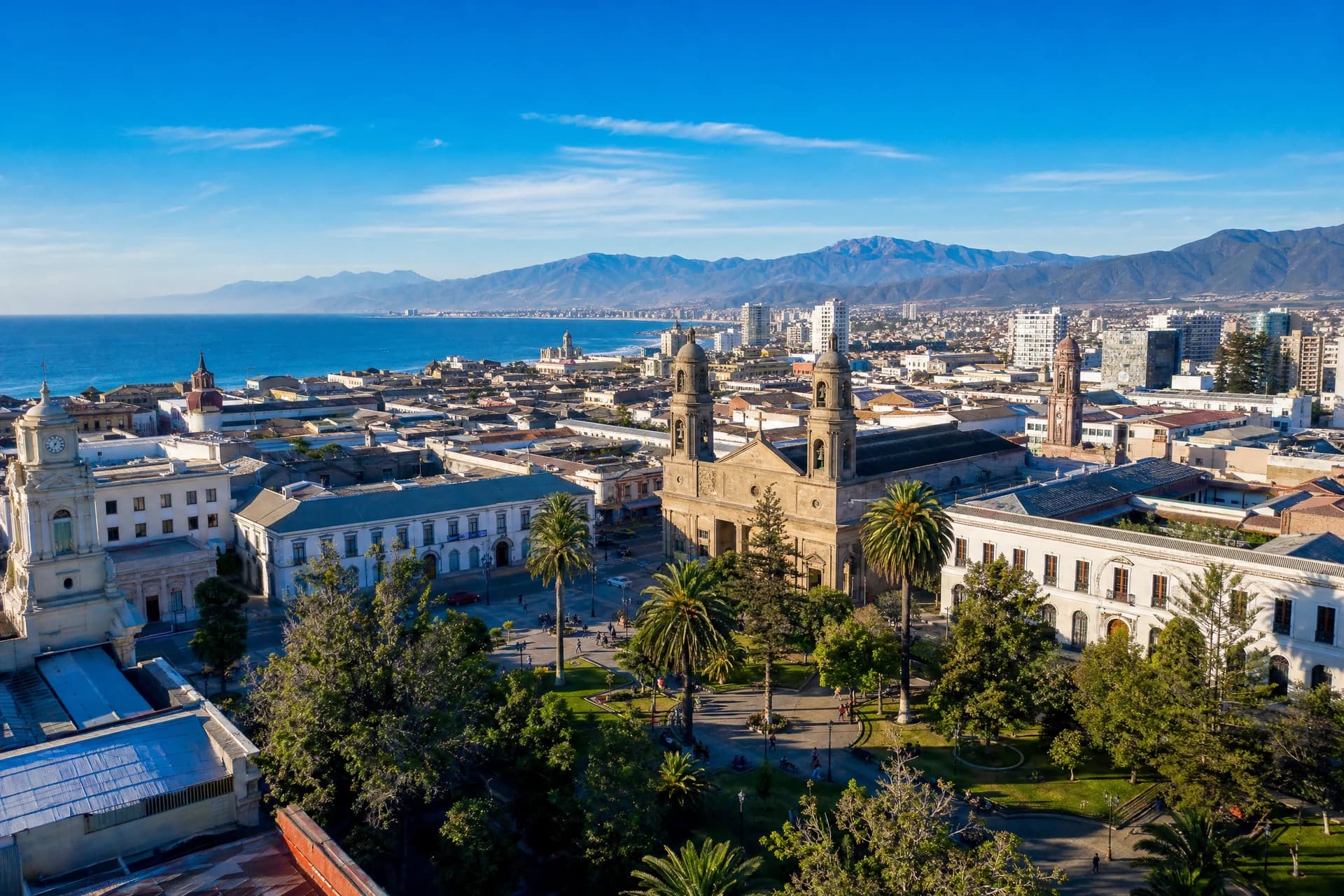
Latin America's economic anchor, with the highest legal certainty in the region.
✓ Strongest passport (US ESTA) + foreign income tax-free for up to 6 years