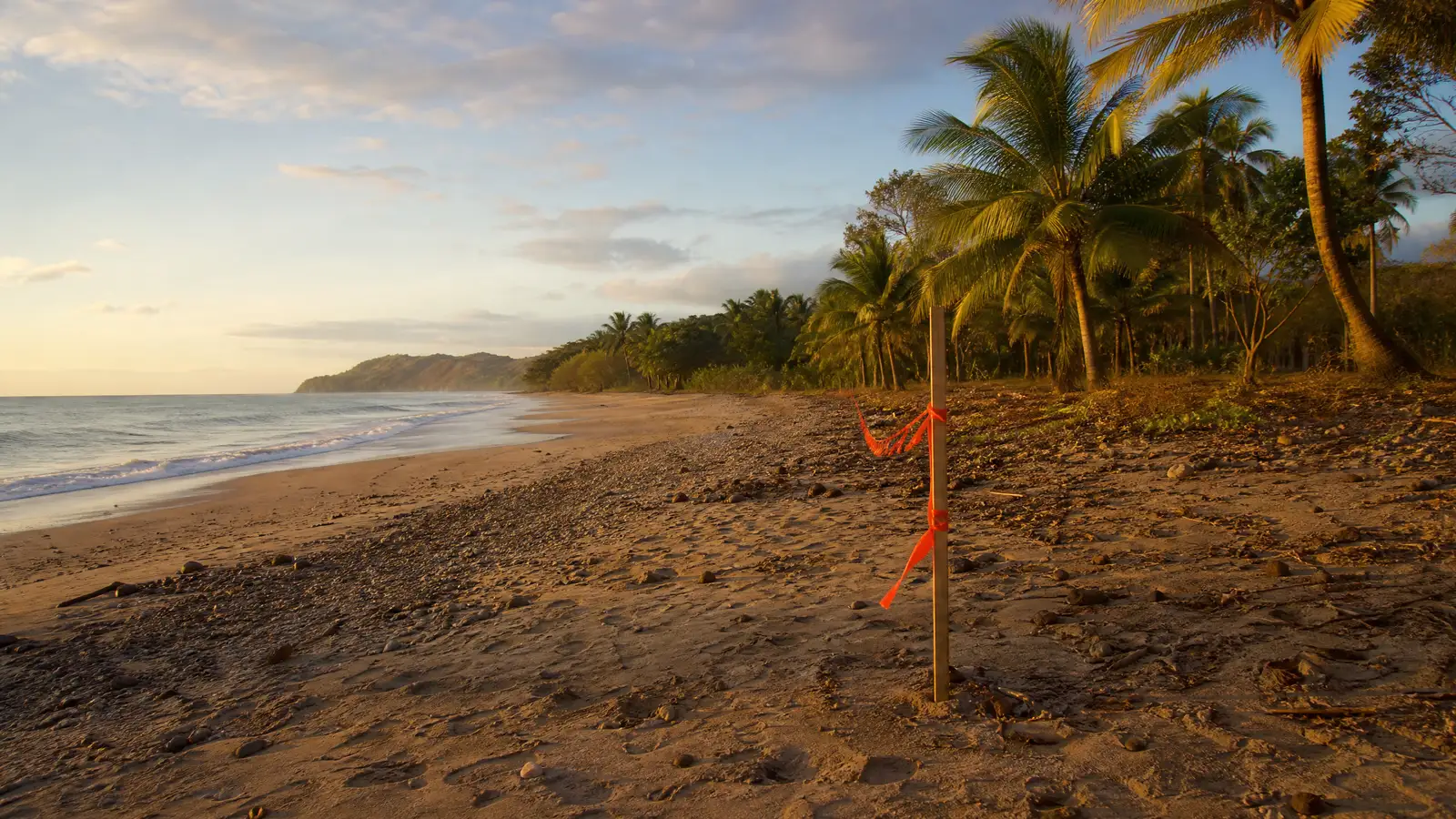

Here is the sentence no beach agent in Bocas del Toro prints on the glossy brochure: most of the beach land offered to foreigners in Panama is not ownership at all, but a mere right of possession over state land. The trade calls it derecho posesorio, rights of possession (ROP): not entered in the public registry, not mortgageable with a bank, not reliably protected against competing claims. And the most expensive mistake foreigners make in Panama is, on the record, always the same one: buying ROP land at titled prices, flying home happy, and discovering years later that someone else "possesses" what they paid a lot for.
I am starting with this trap on purpose, because it shapes the whole market and separates the winners from the losers. For anyone who buys titled property in the right locations, Panama is one of the most open and affordable markets on the continent, with low closing costs, a working registry and full equal treatment of foreigners. For anyone who "possesses" a bargain on the beach, it is a land of horror stories. I will show you both sides, with the rules, the numbers and the checklist, so you end up on the right side.
The good news first, for balance
With titled property, foreigners in Panama have practically the same rights as locals: houses, apartments, commercial units and land, in your own name or through a Panamanian company (sociedad anónima) or a private interest foundation, with no residence requirement, even from abroad by power of attorney. Titled means: entered in the Registro Público with its own finca number, owner, survey plan and all charges, independently and publicly verifiable at any time. Transaction costs are among the lowest in the region: 2% property transfer tax (ITBI), around 0.5% registry fees, plus lawyer and notary, typically 4 to 7% in total. And the annual property tax is a real argument for Panama: your primary residence is completely exempt from property tax up to a cadastral value of USD 120,000, with mild, tiered rates above that. The old 20-year tax exemptions for new builds were abolished in 2019, however; only existing properties with an exoneración already granted still benefit, which you should check on resales. The purchase itself is orderly and resembles what you know from Uruguay or Chile: a preliminary contract (promesa de compraventa) with a deposit, a title check by your lawyer, the notarial deed of sale and finally registration in the Registro Público, which makes you the owner. As everywhere in the region, the principle holds: it is not the signature but the registry entry that transfers ownership, and if you do not verify this last step yourself, you have not completed the purchase, only started it.
Trap one: title is title, possession is possession
This is the most important paragraph in the whole article, so read it twice, slowly. ROP land is state land on which someone sells a right of possession that, strictly speaking, he cannot pass on as ownership. It has no finca number in the registry, often only paper files at municipal level (a so-called derecho posesorio document), you cannot finance it with a bank mortgage, and (this is the heart of the horror stories) you actually have to possess it, meaning use it, live on it and guard it. Anyone who buys, flies home happy and comes back two years later quite often finds another "possessor" who has taken over the empty land, and Panama's courts are slow and expensive. What is affected is exactly what fuels expat dreams: beach and island land in Bocas del Toro, Veraguas and the Pacific bays, plus remote fincas in the interior. Converting it to title later through the land authority ANATI is possible in principle, but it takes one to three years or longer, is expensive, bureaucratic and not guaranteed. My rule for clients is therefore simple and non-negotiable: ROP only as a deliberate specialist investment at a clear discount, with your own lawyer, your own surveyor and a realistic presence plan, never as a carefree retirement home, and never at titled prices.
Trap two: the coastal and border rules brochures leave out
Even with clear title, special rules apply by the water that catch many people out. The first 22 metres from the high-water line on the Pacific (10 metres on the Caribbean coast) are public state territory, the zona marítimo-terrestre, whatever the agent advertises as "beachfront ownership"; anything built there runs at best as a revocable concession, not as ownership. Island purchases need a thorough, project-specific legal review anyway, because many islands are partly state land, partly indigenous territory, partly ROP. And Panama's Constitution forbids foreigners from holding titled ownership within 10 kilometres of the land borders with Costa Rica and Colombia, which affects parts of Chiriquí and the whole Darién region; if you buy near Volcán or close to the border, you need a precise survey as proof that the plot lies outside the zone. The good news for most buyers: Panama City, Boquete, Coronado, Pedasí and the central regions lie completely outside all of these restrictions.
Trap three: pre-sales, developers and the licence question
After ROP, Panama's second-largest fraud category is developer and pre-sale models, where deposits on apartments not yet built disappear or projects are never finished. Before any reservation, check the developer's complaint history with the consumer protection authority ACODECO, the ownership and financing position of the project plot itself, and pay only through a proper escrow mechanism with milestones, never as a loose advance payment into the developer's account. Add to that one quirk of the market: Panama does have the idoneidad licensing system for estate agents, but in practice many unlicensed people broker deals, and dual agency, where one agent represents both sides, is common. Your protection is the same as everywhere on the continent: your own independent lawyer, who answers only to you and is liable to you, and the iron rule of trusting no seller document you have not verified yourself at the Registro Público, including the paz y salvo certificates for taxes, water and electricity, which prove that no old debts sit on the property.
The markets and prices in 2026
Panama City remains the most liquid and international market in the region: apartments in Punta Pacífica, Costa del Este and San Francisco trade at roughly EUR 1,500 to 4,000 per square metre, with solid rental demand from canal, banking and corporate staff and from the many multinationals with regional headquarters in Panama; the oversupply of the boom years in the glass towers has largely been absorbed, but still weighs on prices of older stock, which can be an opportunity for buyers. Boquete (roughly EUR 800 to 2,000 per square metre) is the retiree and lifestyle market in the cool highlands, Coronado the beach-side compromise an hour's drive from the city, Pedasí the quiet, well-kept secret with titled land on the Azuero peninsula, and Bocas del Toro the scenically beautiful but ROP-heavy special case for specialists with a good lawyer. The strategic bonus for buyers with a residence plan: a titled property free of charges supports the Qualified Investor visa with immediate permanent residence: under Decreto Ejecutivo 17 of 8 September 2026, from USD 300,000 for a new build bought directly from the developer and from USD 500,000 for a resale property, with no cut-off date; the details are in my residence article.
What holding costs and what letting brings in
An honest calculation includes what comes after the purchase. Thanks to the USD 120,000 exemption for the primary residence, the annual property tax is often low, while tiered rates on the cadastral value apply to second homes and investments. If you let the property, you should know: rental income from Panamanian property is local, and therefore taxable, income (Panama's territorial principle exempts only foreign-source income, not the rent from an apartment in Panama City), and short-term letting is subject to its own rules depending on the building and district, which, as in Uruguay, you check before buying in the reglamento of the owners' association (PH, propiedad horizontal). Common charges in the towers with pool, gym and concierge are noticeably higher than newcomers budget for. For investors, the picture is this: Panama City offers solid but not spectacular gross rental yields, in return for value stability in dollars and a deep, liquid resale market, which is by no means a given in Latin America.
How to buy safely: the checklist
First, the finca number before anything else. No falling in love at the viewing and no deposit before you know whether the property is titled; you check the number independently in the Registro Público, and for land also the cadastre at ANATI. Second, your own lawyer and, for land, your own surveyor, hired and paid by you, before the first payment, with a clearly defined due diligence period and a right of withdrawal in the preliminary contract. Third, the coastal check: where does the public 22-metre zone end, what is a revocable concession, what is genuine titled ownership? Fourth, escrow instead of trust: payments through a proper escrow mechanism, transfer of ownership before the full purchase price is released, not after. Fifth, the structure question before the property question: whether you buy personally, through a sociedad anónima or through a private interest foundation decides inheritance, liability, privacy and later saleability, and if you want to combine the investment with a residence goal, you plan for the right threshold from the start, USD 300,000 for a new build or USD 500,000 for a resale property. Panama rewards the disciplined, well-advised buyer with one of the best ratios of price to legal certainty in Latin America, and it mercilessly punishes the carefree beach dreamer holding ROP papers.
This sequence (legal status first, then structure, then the specific property) is exactly how I set things up with my clients, with independent lawyers and surveyors who earn nothing from the sale and whose only interest is your legal certainty.
If you want to buy in Panama, let us talk about title, zone and structure before you pay a deposit. Book a call with me; the link is right below.
👉 Book a consultation with Harley
Carpe Diem. Life is short and fleeting. One shot. Make it count.