
Belize
English-speaking, taxed territorially and with a retirement programme from age 40 that fully exempts foreign income. The catch is in the same law.
Sources for these facts
- Naturalisation: immigration.gov.bz, checked on 24 October 2026.
- Presence required: immigration.gov.bz, checked on 24 October 2026.
- CRS status: oecd.org, checked on 24 October 2026.
- Tax system: bts.gov.bz, checked on 9 August 2026.
Why Belize?
English-speaking, common law, taxed territorially and with a retirement programme that fully exempts foreign income. Two sentences in the same Act turn it into a dead end, and on information exchange Belize is the opposite of every other country on this list.
Belize stands out in this overview, in both directions. It is the only state here where you deal in English with a British-shaped administration, where the currency is pegged to the US dollar, and where an Act from 1999 expressly promises you tax exemption on all foreign income, earned or passive, whether or not you bring it into the country. It is also the only one of the eleven non-portfolio countries that has committed to automatic information exchange and has reported account data since 2018. And the exemption comes at a price that is rarely written down anywhere: if you use the retirement programme, you count as a non-resident for immigration and nationality law. Those years do not count. Since an amendment in 2023, the programme and permanent residence even exclude each other expressly.
- ✓Territorial taxation: the charge covers only income that accrues in or is derived from Belize
- ✓Qualified Retirement Program from age 40 since the 2023 amendment, against USD 2,000 a month from a source outside Belize
- ✓Full tax exemption within the programme for foreign income, earned or passive, remitted or not
- ✓English as the official language, common law and a currency pegged at 2 Belize dollars to the US dollar since 1976
- ✓The catch, twice over: programme years count neither towards permanent residence nor towards the passport, and Belize is a CRS participant
Residence permits and residency options
Open from age 40 since 2023. You need retirement income of at least USD 2,000 a month or USD 24,000 a year from a source outside Belize, together with a written undertaking to deposit that amount into an account with a Belizean financial institution. Since 2023, social security benefits, inheritances, savings and retirement plans also count as income. The programme is run by the Belize Tourism Board, not by the immigration department.
No employment and no business in Belize. Expressly allowed is a business carried on mainly outside Belize and conducted exclusively with persons who are not resident in Belize. If you want to do business in the country itself, you need the Tourism Board's approval, 1 million dollars of investment capital, five Belizean employees and 90 days of presence.
The regular route, and the only one that leads to the passport. The passport you submit must carry an entry stamp dated at least one year before the application, so you must first have lived in the country for a year. Add a medical examination with HIV, VDRL and TB tests, a Belizean police record and proof of financial stability.
The retirement Act declares its holders non-residents for the purposes of the Immigration Act and the Nationality Act. Since 2023 there is more: a citizen or permanent resident cannot join the programme, and a participant who acquires either status loses programme status. In Belize, tax exemption and building up residence are two roads that exclude each other.
Tax in Belize
The charging provision is short and territorial: income tax is levied on the chargeable income of every person accruing in or derived from Belize, whether received in Belize or not. Foreign income is therefore outside the charge. The rate for persons who are not employees is 25%; employees get a basic deduction graduated by income band, and a resident who stays below BZD 20,000 a year pays nothing at all.
One point we state openly rather than leave out: the same Act contains a provision exempting the foreign income of persons who are in Belize only temporarily and for less than six months. That provision would only make sense if the foreign income of permanent residents could fall within the Act at all, which the charging provision does not support. The contradiction could not be resolved from the statutory text, so we claim no more than the text says.
The exemption is solid in a different place, in the retirement Act itself: a Qualified Retired Person is exempt from all taxes and duties on income from a source outside Belize, for work performed or investments made outside Belize, earned or passive, and whether or not remitted to Belize. That is not an interpretation, it is the wording. The Tourism Board also lists exemption from capital gains tax and inheritance tax.
On the currency: the Belize dollar is pegged at 2.00 to the US dollar; the central bank last confirmed the buying rate as at 1 June 2023, and the peg has stood since May 1976. Expect the foreign exchange rules that come with it: changing money outside authorised dealers is a criminal offence in Belize, punishable by a fine of up to USD 10,000 or twelve months in prison.
What your home country still wants from you is not Belize's decision. Whether your tax residence at home ends, and what your home country keeps taxing, depends on where you come from.
Where the retirement programme becomes a dead end
Three sentences from two Acts that have to be read together.
First: Qualified Retired Persons are deemed non-residents for the purposes of the Immigration Act and the Nationality Act. Your programme years therefore build no residence status that a passport could follow.
Second, since the amendment of April 2023: a citizen or permanent resident of Belize cannot be a Qualified Retired Person, and a participant who acquires either status loses the status together with the tax exemption.
Third: the Constitution expressly protects keeping Belizean citizenship only for citizens by birth or descent. For naturalised persons it expressly allows Parliament to provide for deprivation, and the Nationality Act uses that power: the minister may revoke a registration if the naturalised person has ordinarily lived for two years or more in a foreign state of which they were a national, without keeping a substantial connection with Belize.
For anyone building a second passport as a fallback, that is exactly the wrong property: the revocation case the Act describes is a return to your own home country.
Citizenship: the route to a second passport
The route is long and presence-heavy. The Immigration and Nationality Department requires five years as a holder of Permanent Residence, and because Permanent Residence itself requires a year in the country before you apply, that makes six years from arrival. In the year before the PR application you may be out of the country for no more than 14 days in total, and in the five years as a permanent resident a strict presence rule applies: no more than 30 consecutive days and no more than three months in total away in any twelve months, with exceptions only for work and medical reasons.
On the wider legal position: the Constitution and the Nationality Act each speak of five years of continuous or ordinary residence, without requiring PR status. What counts is what the competent authority actually requires, and that is the five PR years. Guatemalan nationals are expressly excluded from naturalisation by registration.
And the sentence that matters for a Plan B: a Belizean passport acquired by registration can be revoked. Why is explained in the section above.
Our Belize insider tip: Corozal Town
Corozal Town in the north is where the numbers are most likely to work for a newcomer: the lowest costs in the country, a foreign resident community that has grown over decades, a setting on Corozal Bay, and about a quarter of an hour to the Mexican border and so to the infrastructure of Chetumal, with a hospital, an airport and shopping. The inland alternative is San Ignacio in the Cayo District.
On safety, without gloss, and this matters because it expressly includes the usual dream addresses: the UK Foreign Office (FCDO) writes that Belize has one of the highest per capita murder rates in the world, that serious gang-related violence occurs most frequently in Belize City, and that tourists are vulnerable to theft in tourist destinations such as San Pedro, Caye Caulker, Placencia and San Ignacio. It adds that police capacity is limited and most crimes remain unsolved. The FCDO does not advise against travel to any part of Belize. Hurricane season runs from June to the end of November; Belize itself is not directly affected by earthquakes, although tremors from neighbouring countries can occasionally be felt.
The card says Medium, not Low, and that is deliberate. A currency pegged to the US dollar, a high share of imports and US price levels in exactly the segments a newcomer uses add up to something different from Paraguay or Bolivia. That is a comparative assessment by our editors, not a measured figure.
Banking outside Belize
With Belize the usual advice does not reverse, it just gets sharper. Belize is a CRS participant and has reported account data automatically to its partner states since 2018, which makes it the only country in this overview outside our portfolio where that applies. If you are heading for Belize because you assume it is non-CRS, you are heading for the wrong country.
You need a local account anyway: the retirement programme expressly requires the monthly deposit of your USD 2,000 with a Belizean financial institution. That is a condition of the application, not everyday infrastructure. At the same time, programme participants count as non-residents for the purposes of exchange control and the international banking legislation, and changing money outside authorised dealers is a criminal offence. Your structure and your operating business belong outside Belize, so that your foreign income genuinely stays foreign-source under the territorial rule.
Flag theory: why bank outside the country?
For your foreign income to stay genuinely foreign-source and the territorial exemption to apply, banking and company formation have to take place outside Latin America. We structure this for you. More about our services →
Who is Belize right for, and who not?
✓ A good fit for
- ✓Retirees from age 40 with USD 2,000 a month of foreign income who will actually live there and do not need a passport
- ✓Anyone looking for an English-speaking common law environment with a currency pegged to the US dollar
- ✓Location-independent people who work only with clients outside Belize and plan for the 30 days of presence a year
✗ Less suited to
- ✗Anyone expecting non-CRS (Belize has reported automatically since 2018)
- ✗Anyone hoping to reach a second passport through the tax exemption (programme years do not count, and the two exclude each other)
- ✗Anyone who needs the passport as a dependable fallback (naturalised citizenship can be revoked)
Frequently asked questions about Belize
Is my foreign income tax-free in Belize?
Within the retirement programme, yes, and expressly so: a Qualified Retired Person is exempt from all taxes and duties on income from a source outside Belize, earned or passive, and whether or not remitted to Belize. Outside the programme the charge covers only income that accrues in Belize; a second provision of the same Act sits uneasily with that, however, and the tension cannot be resolved from the wording.
How old do I need to be for the Qualified Retirement Program?
At least 40. The former threshold of 45 was lowered by the amendment of April 2023.
Does the retirement programme lead to a Belizean passport?
No. The Act declares programme participants non-residents for the purposes of the Immigration Act and the Nationality Act, so those years do not count. Since 2023 the programme and permanent residence also exclude each other expressly.
Does Belize share my account data automatically?
Yes. On the OECD list Belize is in the group with a first automatic exchange by 2018. That sets Belize apart from every other non-portfolio country in this overview.
Which nationalities can join the programme?
That is not fully settled. The Act's catch-all clause admits any country; the Belize Tourism Board's country list names the Commonwealth states, the US, the EU member states, a selection from Asia-Pacific and all South American states. If your country is not on that list, we claim neither a yes nor a no. The minister has discretion to refuse any applicant in any case.
How long does it take to get a Belizean passport?
Six years from arrival: one year in the country until the application for Permanent Residence, then five years as a permanent resident. During that time you may not be away for more than 30 days at a stretch or more than three months a year.
Next steps
VidaLibrePlan advises on twelve countries in Latin America. Belize is not one of them.
Belize really does tax territorially, but the tax exemption you came for hangs on the retirement programme (QRP), and the same Act declares QRP holders non-residents for the purposes of immigration and nationality law. Since 2023 the QRP and permanent residence even exclude each other expressly. On top of that, Belize is a CRS participant and has exchanged account data automatically since 2018. El Salvador gives you the same territorial logic, runs on the US dollar, is non-CRS and does not split your tax advantage from your residence status.
Explore El Salvador →Is Belize right for you?
Start with a free assessment: we look at your situation and tell you honestly whether this country fits you.
Explore the countries we advise on
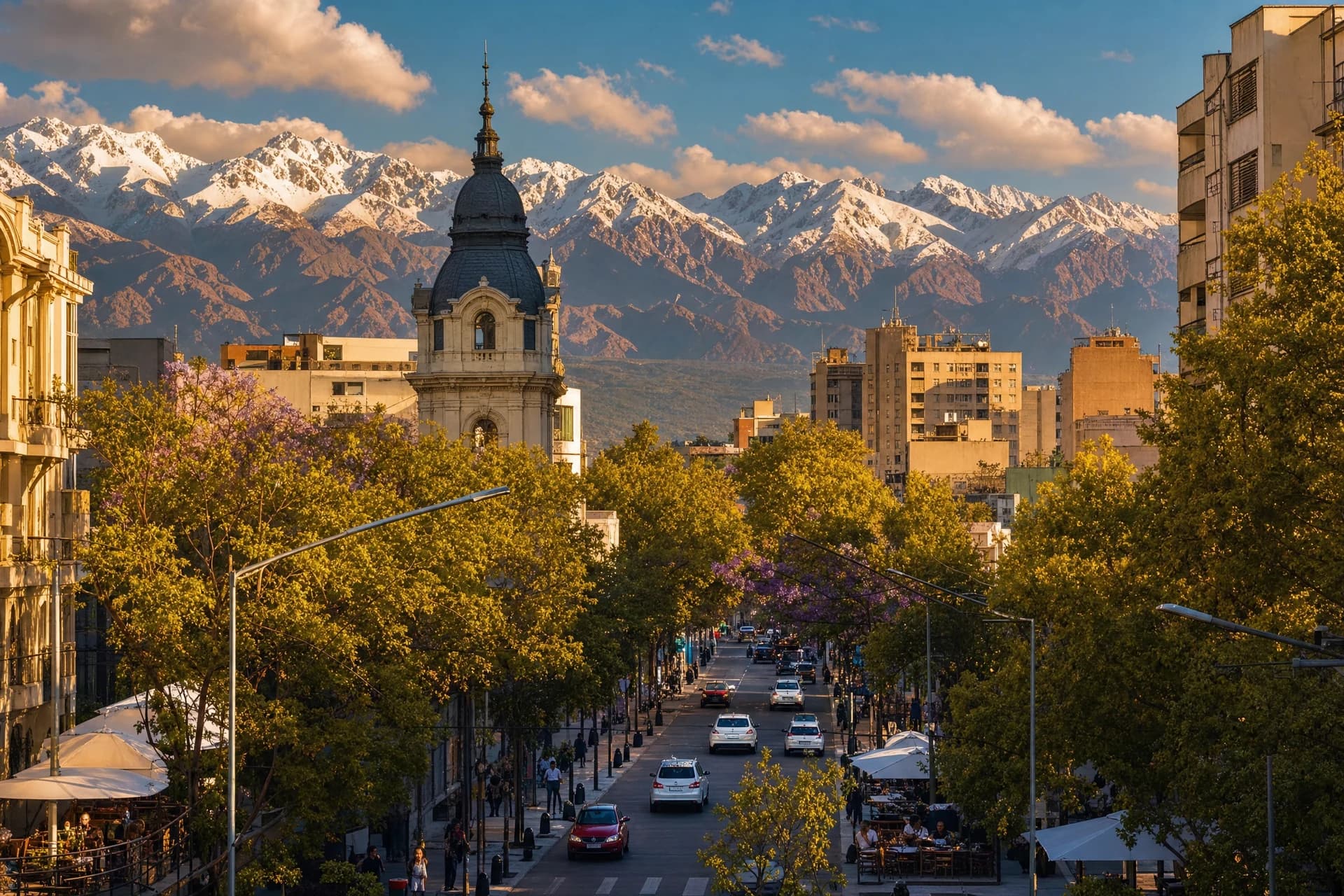
Productive farmland and vineyards in your own name, a real-asset hedge far from the world's trouble spots.
✓ Farmland + real assets + optional 2-year passport
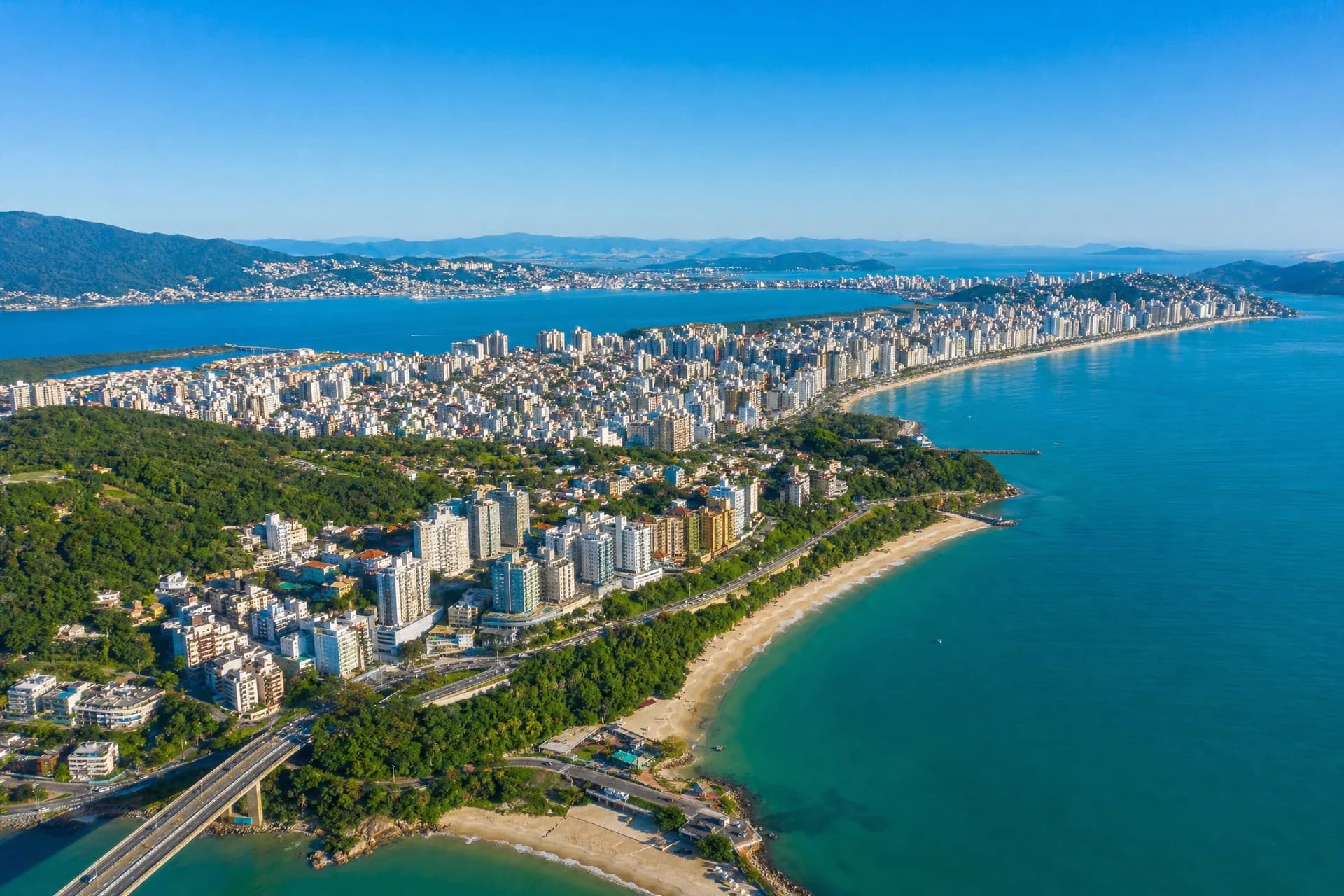
A strong Global South passport, reached in around six years on the standard route.
✓ Strong Global South passport
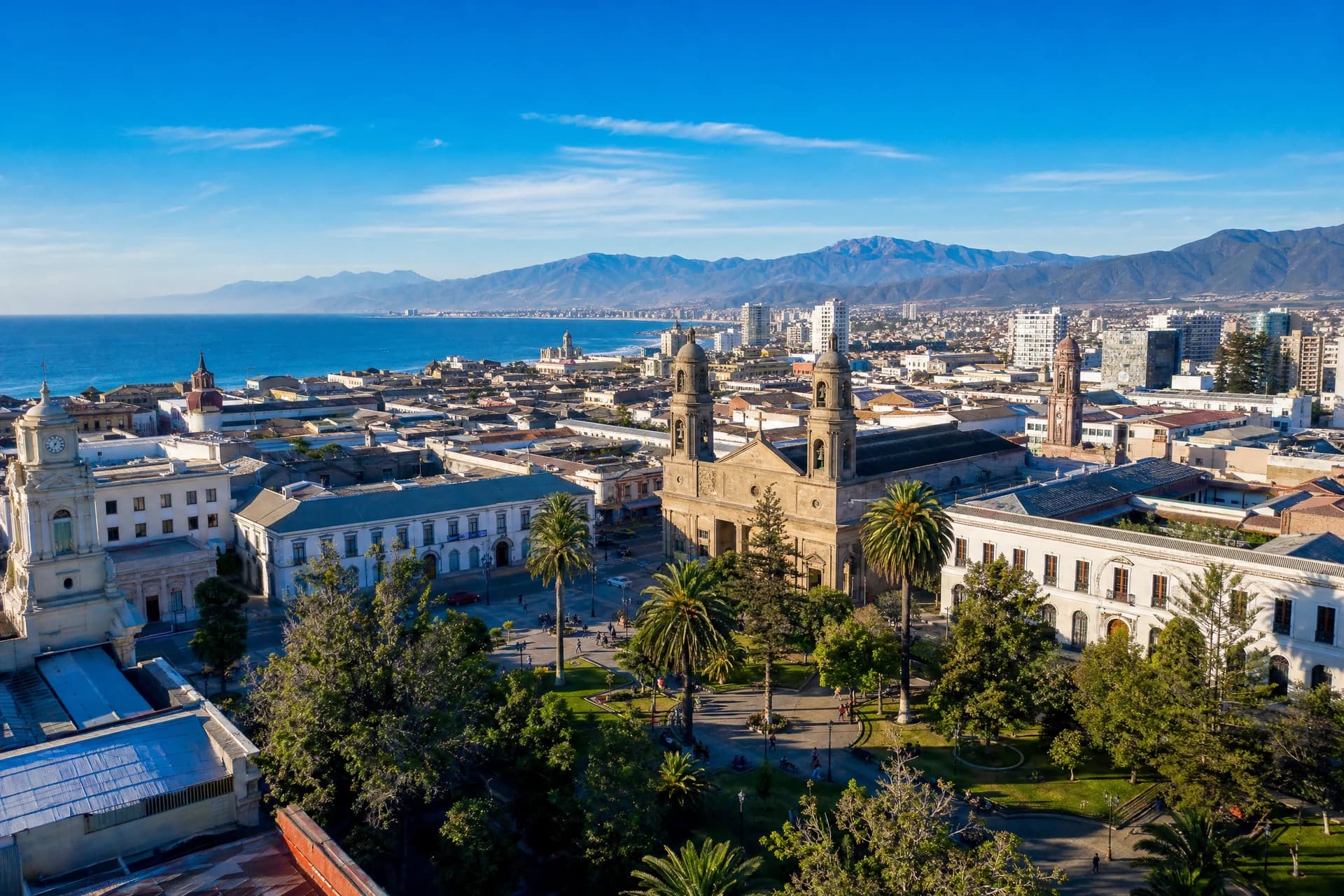
Latin America's economic anchor, with the highest legal certainty in the region.
✓ Strongest passport (US ESTA) + foreign income tax-free for up to 6 years