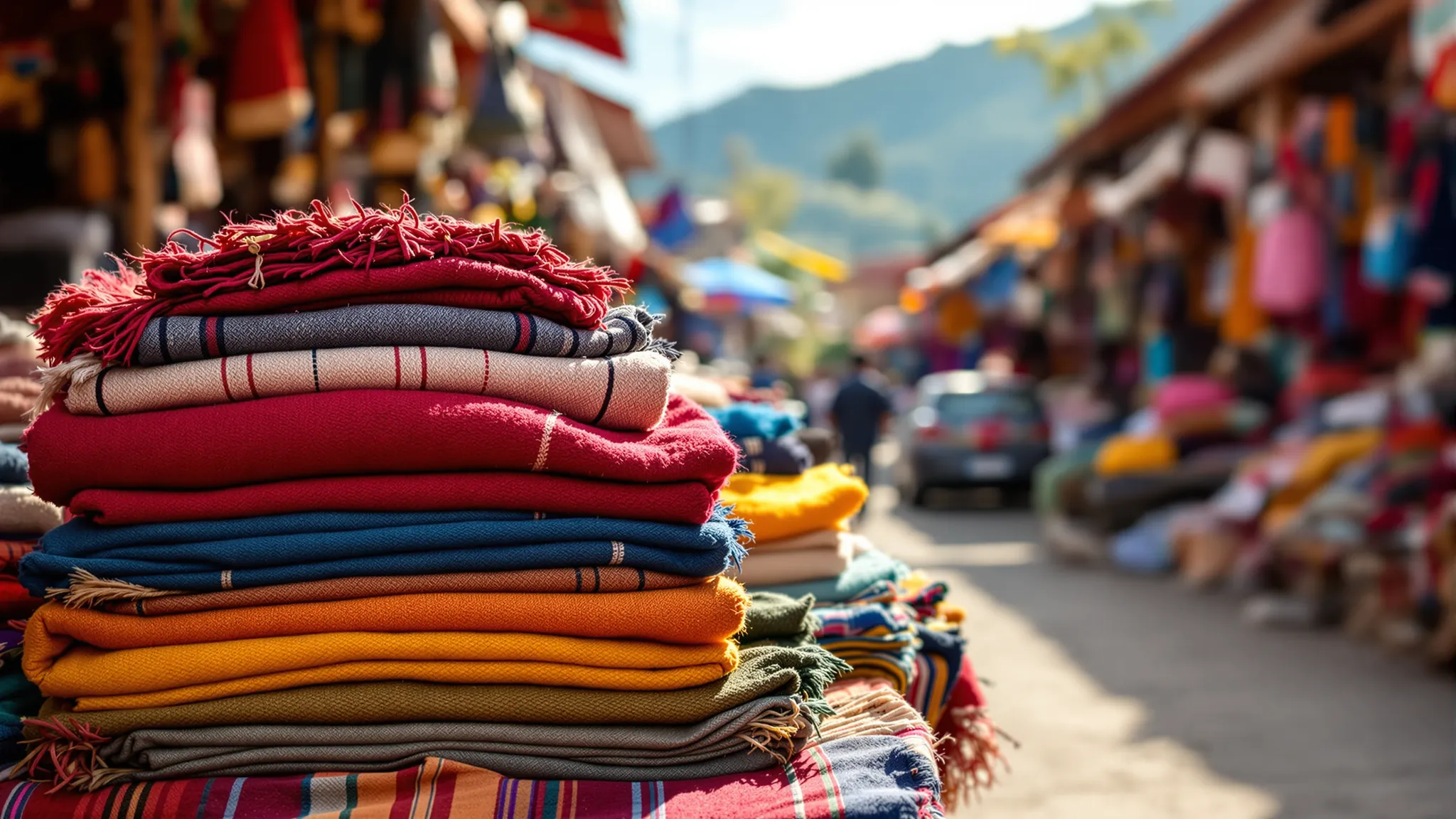

Ecuador is one of the few countries in Latin America where naturalisation is not only possible but reasonably quick. I am a realist, not a salesman, and the honest picture is this: Ecuador lets you apply for citizenship three years after you obtain permanent residence, and it accepts dual citizenship, so Ecuador itself does not ask you to give up the passport you hold today. Because permanent residence comes after 21 months of temporary residence, the whole route takes just under five years. It pays to set expectations correctly, though: for most people who move to Ecuador, permanent residency is the foundation that really matters, and citizenship is an optional later step. Because Ecuador combines a manageable timeline with dual citizenship, naturalisation here is more attractive than in many neighbouring countries, especially if you want a second passport as a safeguard in the spirit of flag theory.
The route: naturalisation three years after permanent residence
The standard route to Ecuadorian citizenship is naturalisation under the nationality rules set out in the Civil Code. If you can show three years of lawful permanent residence in Ecuador, you can apply for naturalisation. Before those three years comes the temporary stage: 21 months of temporary residence until permanent residence becomes possible. In total that is just under five years, which puts Ecuador among the faster countries in the region, while some neighbours ask for seven or ten. The Ministry of Foreign Affairs is responsible. Ecuador also sees itself explicitly as an open country of immigration, and that shows in its comparatively unbureaucratic attitude towards applicants. The requirements are manageable: you need to show basic Spanish and a basic knowledge of Ecuador, provide a clean criminal record and prove your financial stability. The language and culture test is less demanding than in some other countries, and anyone who spends the qualifying years in the country usually grows into the language and the civics anyway. On the document side you need, among other things, a valid passport, an apostilled and translated birth certificate, a criminal record certificate and proof of your residence and financial stability, with every foreign document apostilled and translated into Spanish. An experienced local lawyer is a real help, because they prepare the documents, represent you before the authorities and steer the whole process from application to naturalisation. Precisely because the details can change, it pays to verify the current position with the competent authority or a specialist lawyer before you apply, rather than relying on older guides.
Besides naturalisation through residence, the law also provides a route via investment. The investment route builds on the same low thresholds that already apply to the investor visa, and so links building assets in the country with the path to a passport. Note that the three years mean lawful, essentially continuous residence: during those three years you may spend no more than 180 days a year outside Ecuador, and in the first two years of permanent residence the same 180-day limit applies to keeping the residence itself. Document your time in the country carefully and avoid long stays abroad so you do not put the clock at risk. The application itself then needs processing time, so in practice a little more than five years pass between your first residence permit and the passport in your hand. Even so, Ecuador remains one of the more accessible routes to a second passport in South America.
Dual citizenship: Ecuador allows it
Good news: Ecuador has accepted dual citizenship since 2008. If you naturalise, Ecuador does not require you to give up your existing nationality, and this liberal policy is anchored in the constitution, which expressly recognises the right to migrate and the principle of universal citizenship. The stance is meant both to keep Ecuadorians abroad tied to their country and to encourage foreign investment and immigration, and it makes the Ecuadorian passport attractive for anyone who wants to keep the link to their home country. From Ecuador's side, nothing stands in the way of holding two passports. Whether you may keep your current citizenship, however, is not decided by Ecuador but by your home country. This distinction matters: even if Ecuador offers dual citizenship, your home country can refuse it or attach conditions to it. Some countries allow dual citizenship without restriction, some require a permit that must be granted before you acquire the new nationality, and some withdraw citizenship automatically when you naturalise elsewhere. So always settle the question from your home country's point of view, and do it before you naturalise, not afterwards.
The passport and what it gives you
Why go to the trouble at all? As an Ecuadorian citizen you enjoy full political rights including the right to vote, unrestricted access to the labour market and the security of no longer depending on residence renewals and their conditions. The presence requirements and renewal conditions of the residence permit fall away completely with citizenship, which is particularly valuable if you travel a lot or split your time between countries. Unlike permanent residence, which is tied to presence and renewal conditions, citizenship cannot be withdrawn on those grounds. A second passport is also always a safeguard in the spirit of flag theory, an extra pillar in case circumstances in your home country change. And because Ecuador allows dual citizenship, you add this passport to the one you already have rather than swapping it. The Ecuadorian passport also gives visa-free or simplified access to a solid number of countries and anchors you legally in your country of residence. If your home passport is already very strong, the value lies less in travel freedom than in diversification, full political participation and permanent, unconditional roots in Ecuador. A second passport from a stable, dollar-based country is a sensible additional pillar, and for families it anchors the tie to the country across generations.
The biggest misconception: citizenship is not a tax tool
And now the point most guides stay silent about. Ecuadorian citizenship does not change your tax position compared with permanent residence. Your tax liability is decided not by your passport but by where your tax residence is, and the Ecuadorian tax position you have as a resident already applies from the moment you become resident, not only once you hold the passport. A retiree living in Cuenca has the full tax position of a resident with a residencia alone, no passport needed. Anyone who believes the passport brings tax advantages is mixing up two separate things. Ecuador does not tax its people by nationality but by residence and the source of income, unlike the United States, for example. Naturalisation is therefore a question of belonging, travel freedom and long-term security, not of tax planning.
Your departure from your home country needs to be looked at just as separately. Moving to Ecuador does not, on its own, end your tax residence at home, and whether leaving triggers an exit tax on company shares or other assets depends on where you come from, regardless of whether or when you later take an Ecuadorian passport:
Citizenship, tax residence and the tax consequences of leaving home are three separate projects, and each needs its own planning. If you keep them apart, you avoid the typical mistakes and can treat citizenship as what it is: a valuable but optional building block at the end of a deliberately chosen path to Ecuador. Because Ecuador opens this step without asking you to give up your home passport, it is more within reach here than in many neighbouring countries. For many people who move there, Ecuadorian citizenship turns from a distant dream into a realistic goal that comes almost as a by-product of a stay they were planning anyway.
If you want to know whether and when the route to Ecuadorian citizenship makes sense for you, and how to secure dual citizenship for your current nationality, let's talk before you file the first application.
👉 Book a consultation with Harley
Carpe Diem. Life is short and fleeting. One shot. Make it count.