Bolivia
A genuine territorial system and the fastest passport in the Andes, paid for with strict presence rules.
Sources for these facts
- Naturalisation: lexivox.org, checked on 8 August 2026.
- Presence required: lexivox.org, checked on 8 August 2026.
- CRS status: oecd.org, checked on 24 October 2026.
- Tax system: taxsummaries.pwc.com, checked on 24 October 2026.
Why Bolivia?
One of the few genuine territorial systems in South America, non-CRS, and a passport after three years. You pay for it with a presence requirement that a back-up residence does not survive.
On paper, Bolivia is the strongest candidate among the countries we do not advise on: the tax law reaches only Bolivian-source income, the country is in no CRS exchange group, costs are at Paraguay's level, and naturalisation is possible after three years. Where it tips over is presence. Bolivia cancels temporary residence as soon as you are out of the country for more than 90 calendar days in a year, at a stretch or in total. Only permanent residence becomes generous and allows up to two years away at a time. If you really live there, you get a lot. If you want a quiet second residence that you hold without using it, you will not get it here.
- ✓Genuine territorial system: Bolivia levies no tax on the foreign income of individuals
- ✓Non-CRS: Bolivia has not committed to automatic information exchange in any year group
- ✓Naturalisation after three years, one of the faster routes in the region
- ✓Very low cost of living, comparable to Paraguay
- ✓The catch: during the build-up phase, residence lapses after more than 90 days' absence a year
Residence permits and residency options
Granted for one, two or three years depending on the purpose, and renewable. The usual entry point, through proven economic solvency or an activity in the country. It lapses after more than 90 calendar days' absence a year.
Requires three years of residence in Bolivia, plus proof of continuing activity and economic solvency. After that the country becomes flexible: only more than two consecutive years out of the country put the status at risk.
Tax in Bolivia
The decisive sentence sits directly in the tax law: Bolivia taxes individuals exclusively on Bolivian-source income, regardless of nationality and residence. No tax is levied in Bolivia on the foreign income of individuals. That is not an allowance, not a time limit and not a regime for new arrivals but the basic rule of the system, and so cleaner than what Chile, Uruguay or Ecuador offer.
Income tax on individuals is 13% on domestic income. If you live on income from abroad, you hardly come into contact with it.
What still applies: moving away does not become clean just because the destination takes nothing. Whether your tax residence at home ends, and what your home country keeps taxing, is decided there. We build that side with you.
Citizenship: the route to a second passport
The Constitution requires three years of uninterrupted residence for naturalisation. That puts Bolivia among the faster routes in the region, faster than Panama, Chile or Mexico with their five years and well ahead of Costa Rica with seven.
The catch is the same as for residence: these three years are years of presence, and the 90-day limit keeps running alongside. If you want the passport, you have to live mainly in Bolivia for three years. For a portfolio of several flags, that is an expensive route.
The Bolivian passport ranks well below the Chilean, Argentine or Brazilian one for visa-free travel. If travel freedom is why you want a passport, three committed years buy you less here than elsewhere.
Our Bolivia insider tip: Santa Cruz de la Sierra
Santa Cruz de la Sierra is the one place in the country where a newcomer can live without a major adjustment: lowlands instead of altitude, warm all year, the strongest economy and the best international connections. The city is loud and no colonial backdrop, but it works. The cost of living is at Paraguay's level.
If you put calm above economic weight, Tarija has a mild wine-growing climate and Cochabamba eternal spring. La Paz and El Alto are out for most people: at over 3,600 metres, daily life is physically demanding.
Honestly, on infrastructure: road blockades are a regular political tool in Bolivia and appear at short notice without warning. The UK Foreign Office (FCDO) notes that recent blockades have led to fuel and fresh food shortages in some areas and that they can include the roads to and from airports. If you work to deadlines, plan for it.
Banking outside Bolivia
Your banking and your operating company belong outside Bolivia. Here that is not a precaution but a condition: for your foreign income to remain genuinely foreign-source under the territorial principle, neither the value creation nor the payment flows may arise in Bolivia. You open a local boliviano account for daily life on the spot once residence is granted.
Non-CRS status is not a free pass. It means that Bolivian banks do not report account data automatically to your home country. It changes nothing about your reporting obligations there, and nothing about the fact that a structure without substance remains open to challenge. We build you the version that holds.
Flag theory: why bank outside the country?
For your foreign income to stay genuinely foreign-source and the territorial exemption to apply, banking and company formation have to take place outside Latin America. We structure this for you. More about our services →
Who is Bolivia right for, and who not?
✓ A good fit for
- ✓Anyone who actually moves there and can spend three years mainly in the country
- ✓Anyone looking for a genuine territorial system and non-CRS at a low cost level
- ✓Anyone who wants one of the fastest naturalisation timelines in South America and accepts the years of presence
✗ Less suited to
- ✗Anyone looking for a low-presence second residence (the 90-day limit makes that impossible)
- ✗Anyone who wants a passport strong for travel (then Chile or Brazil)
- ✗Anyone who depends on predictable transport routes and supplies
Frequently asked questions about Bolivia
Is my foreign income really tax-free in Bolivia?
Yes. Bolivian tax law reaches individuals only with Bolivian-source income, regardless of nationality and residence. No Bolivian tax is levied on the foreign income of individuals. What your home country wants from you is a separate question.
How many days do I actually have to spend in the country?
On temporary residence you may be away for no more than 90 calendar days a year, at a stretch or in total. Once you hold permanent residence, up to two consecutive years away are possible.
How quickly can I get a Bolivian passport?
After three years of uninterrupted residence. These are real years of presence.
Does Bolivia report my accounts to my home country?
No. Bolivia has not committed to automatic information exchange in any of the OECD's year groups. That changes nothing about your reporting obligations at home.
Why is Bolivia not one of VidaLibrePlan's portfolio countries?
Because the presence requirement during the build-up phase rules out exactly what most clients build a second residence for. For the same tax effect without that price, the route leads to Paraguay.
Next steps
VidaLibrePlan advises on twelve countries in Latin America. Bolivia is not one of them.
If a genuine territorial system is what brought you here, Paraguay gives you one without the price Bolivia charges: Bolivia cancels temporary residence after more than 90 days' absence in a year, while Paraguay keeps your residence alive with one day a year. On information exchange, though, Paraguay is the exception only for now: it does not exchange account data automatically today, but has committed to the OECD to a first exchange by 2028.
Explore Paraguay →Is Bolivia right for you?
Start with a free assessment: we look at your situation and tell you honestly whether this country fits you.
Explore the countries we advise on
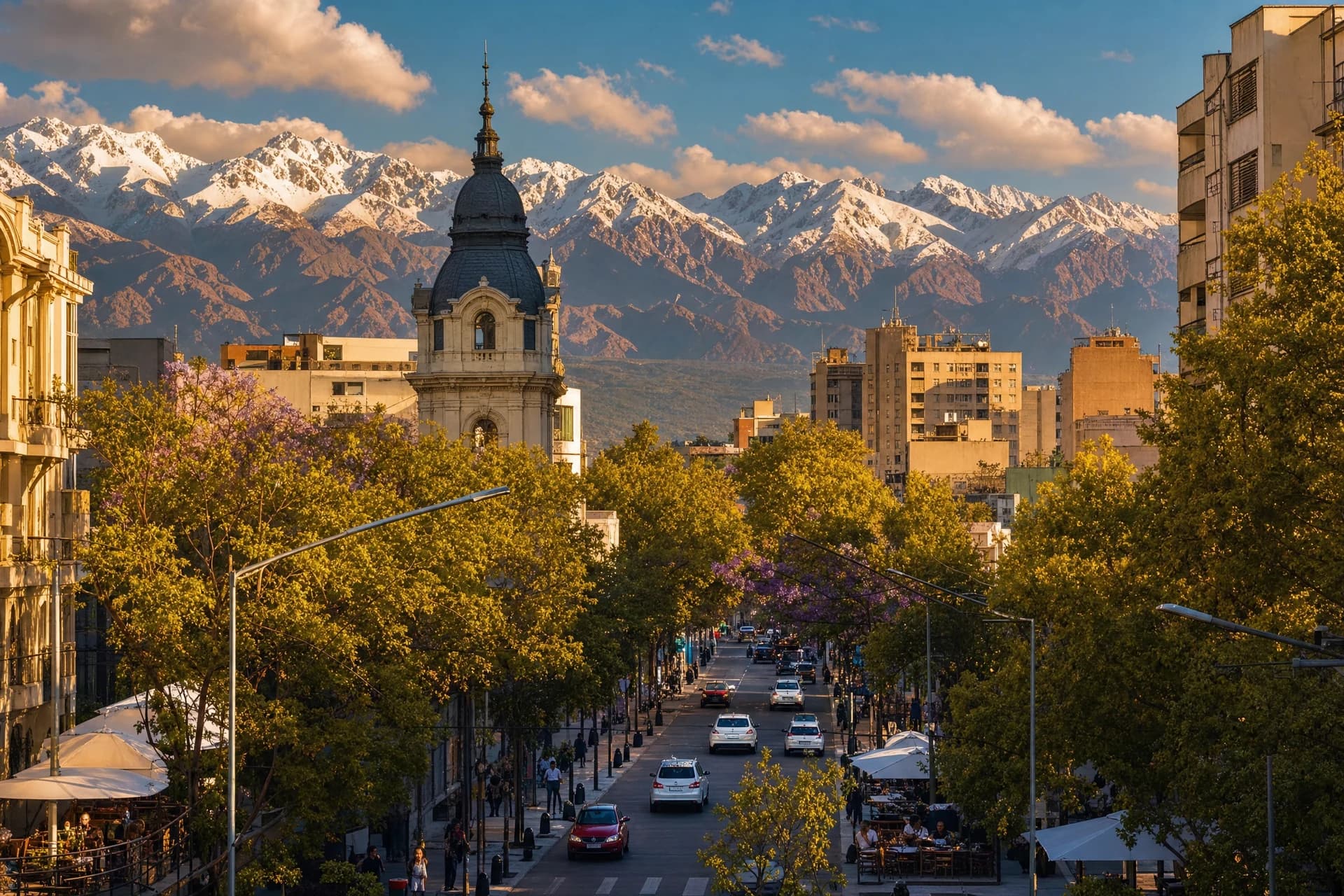
Productive farmland and vineyards in your own name, a real-asset hedge far from the world's trouble spots.
✓ Farmland + real assets + optional 2-year passport
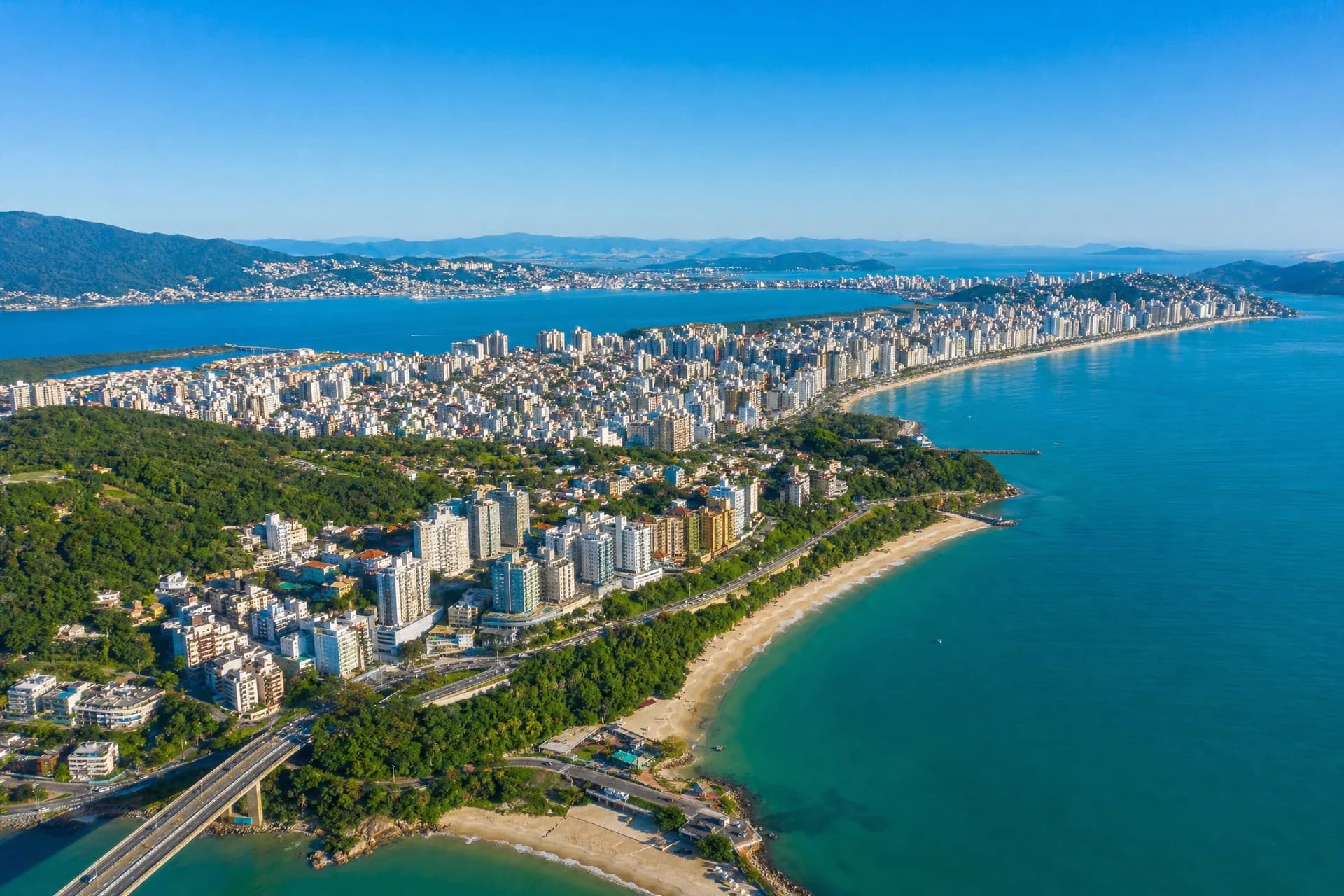
A strong Global South passport, reached in around six years on the standard route.
✓ Strong Global South passport
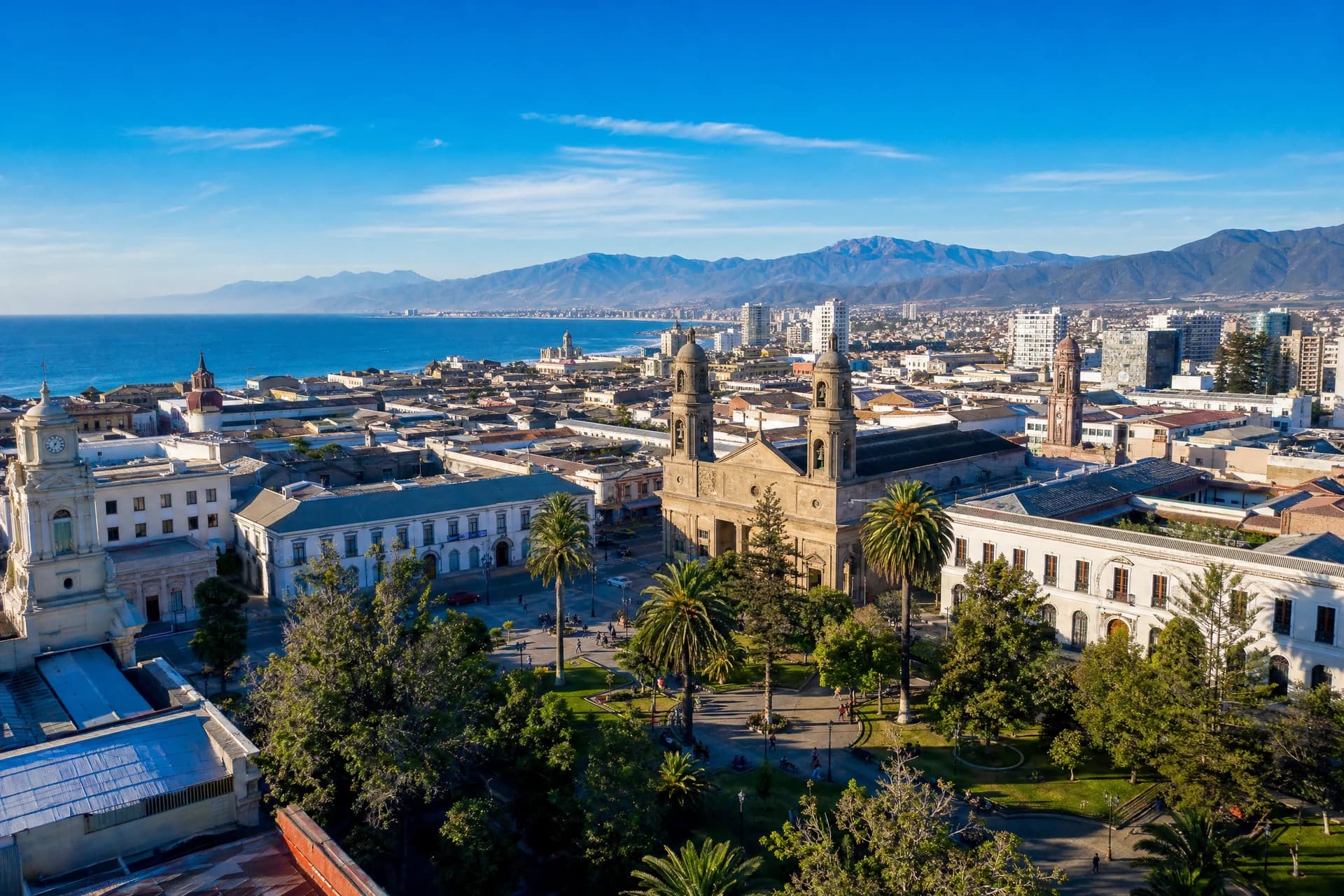
Latin America's economic anchor, with the highest legal certainty in the region.
✓ Strongest passport (US ESTA) + foreign income tax-free for up to 6 years